



What Is a WMS (Warehouse Management System), and How Does It Work?


 To share
International shipping, wholesaling, and e-commerce are exploding in popularity more than ever. No one wants to leave the house to shop anymore — everyone is clicking buttons on the website, putting items in the cart, and expecting packages at their doorstep. So, more than before, suppliers are expected to fulfill and deliver orders at high speeds. In general, buyers want to receive their goods one or two days after they’ve clicked “purchase.”
None of these would be possible without reliable, experienced logistics services. One of the most complicated processes is warehousing the shipments, from receiving the order to sending the package to the destination. In this procedure, a good warehouse management system (WMS) makes a real difference. It streamlines each step — receiving, storing, picking, and packing the items — to achieve the most favorable results.
Below, we will explain how a warehouse management system works, what types there are, how it benefits businesses, and more, so you know exactly what happens with your order.
What is a Warehouse Management System?
Although a warehouse management system sounds like a list of rules and regulations at a warehouse, it’s no longer like that. In modern settings, it's a software that helps companies manage daily operations. It encompasses the whole process from when the workers receive the goods to the last step: sending the items to the buyer. Nowadays, WMS is the most important component of the supply chain, as it allows for clear inventory visibility, quick transit operations, and resource management.
In addition to the practical areas, WMS also compiles analytics, picking and packing tools, and more. Yet, there is a lot of variation when it comes to this software. For example, the company might use a standalone WMS. This means the software and hardware are owned by the business itself at the premises. Although this option can cost more than usual and is not affordable for small startups, it offers outstanding reporting, customization, and organization.
With a standalone product, you don’t have to pay for cloud or subscriptions, but the company is responsible for mitigating issues, updating the programs, doing maintenance, and more. Once it becomes older, it might not boast new features like integration or AI assistance. That’s where cloud-based WMS steps in. As a software-as-a-service (SaaS), it doesn’t require any upgrades or maintenance.
It’s affordable for companies with a tighter budget and businesses that plan to grow. Even though you will be sharing your business data with a third party, cloud WMS providers often put a lot of resources towards security measures to ensure their clients are happy with the service. SaaS options are also more integrable with other warehousing solutions.
When you search “what is warehouse management system” online, you might also stumble across integrated ERP (Enterprise Resource Planning) and SCM-based WMS. These are not as grand as standalone WMS options, as they are represented by applications and modules.
The fact that they are initially integrated, however, can be an advantage for companies trying to improve other areas of their operations, such as accounting. This WMS software becomes a part of a whole business and logistics chain, not a separate experience.
The Core Features: What a WMS Actually Does
A WMS, regardless of the type, tracks all activities in the warehouse. Once the product in the supply chain comes in, it’s registered in the software until it leaves. The first step is receiving the goods and putting them away. Before WMS was used, warehouse workers would use pen and paper to register the items in the system, comparing them to the purchase orders and matching them to physical receipts. Now, all these are done automatically according to the business rules.
Receiving Items and Tracking Inventory
Most WMS systems can be integrated into the billing and other company systems, so there is no need for manual handling. Items are received, validated, and reconciled against purchases online by the software itself. Basically, it scans the barcodes on the labels to understand how to process the shipment. Once it’s put away, it becomes a part of the inventory, which is also managed by a WMS.
So, businesses can take a look at their available items at any time. Be it across the country or in a different time zone, staff can see what’s in stock, what’s still in transit, and if anything needs to be restocked soon. It scans barcodes and RFID and automatically tracks the goods to allow better control over the supply chain.
Many systems go as far as to forecast the potential demand of certain products, giving the companies insight into their performance. Then, they can adjust the stock levels and be fully ready for possible fluctuations, both online and in physical locations. With a WMS, orders come complete, undamaged, and before the deadline — a perfect outcome for any customer.
Picking and Packing Orders
Most order fulfillment procedures are done in the warehouse, including picking and packing the items. More than half of the warehousing cost is picking, and WMS systems are a great option for lowering this expense. They make the process efficient and practical through easy storage, quick item retrieval, and fast product packing. The technology commonly used in modern warehouses includes:
- radio frequency;
- scanning verification;
- pick-to-light;
- pick-to-voice;
- robotics, and more.
They assist in navigating picking paths. In addition, some companies leverage single and batch order picking, zone and wave picking, and other systems.
Shipping the Orders
Transportation and order delivery is one of the warehouse management system examples where it works as an excellent integration feature. It becomes a part of the logistics management software, allowing the fulfillment process to get times faster. Bills of lading, packing lists, invoices, and more are generated automatically.
Once the shipment is out, both the sender and the recipient get a dedicated notification. Now, they can track the shipment in real time and see that the packages arrive on time and at the right destination. This is a huge benefit for businesses, as late or missing shipments are their worst nightmare that can easily harm their reputation.
Metrics and Analytics Collecting
Progressive WMS systems collect data about the warehouse. Instead of doing it manually and relying on notes, the company can leverage the WMS metrics. Moreover, some systems analyze the information, providing the users with accurate data about shipping times, the accuracy of the inventory, the costs of delivery, the time it takes for an order to get fulfilled, and more. As a result, you receive insightful metrics in a text or visual form to use with stakeholders and to improve the operations.
How It Works: A Day in the Life of an Order
WMS is a complex system, so it’s important to look at clear examples to understand how warehouse operations actually look in practice. Let’s see what an order goes through once the customer adds it to the cart and presses the “Purchase” button on the website.
First, it arrives in the system. The business can see that the item was ordered online, as it instantly reflects on the WMS. Then, it checks what items are needed to pick and pack, where they are located within the facilities, and how many of them are available. If they are out of stock, the software flags this.
Secondly, the WMS assigns the task to the dedicated picker at the warehouse. Depending on the system setup, employees might receive the message on a handheld scanner, a mobile app, or even through a voice-picking headset.
To make the process faster and more convenient, the WMS chooses the best route for the picker, so they don’t have to walk for long. In most cases, the system guides the employee through the process. It confirms the shelf or the bin with the item, scans the barcode to ensure everything is correct, and updates the inventory once it’s picked. In case the goods are not there, as previously established, the WMS will suggest another location.
When everything is picked and gathered, the order moves to the packing station. The system takes part in this process as well. It shows the exact goods needed in the box, proposes the size of the packaging and packing materials, and prints the shipping label based on the customer information.
Yet, some warehouses do more than just receiving and packing. They can add custom packaging, insert individual promo materials, or verify that everything is correct manually, in addition to the automatic system. In the end, the order is signed as “ready to ship” and handed to the carrier. Depending on the customer’s choice, the WMS groups parcels by carrier, confirms that they have been dispatched, and sends out a tracking number to the sender and the recipient.
The item is almost at the buyer’s doorstep, which notes the end of a day in the life of an order. But that’s not how WMS registers the finishing steps. In addition to sending the tracking number, the system also confirms changes in the inventory. It automatically flags if anything needs restocking according to picking, packing, and shipping actions. Sometimes, it can reorder items and keep a count of future orders, granting even better optimization.
The Top 5 Benefits of Implementing a WMS
Businesses with physical locations and online stores require a good warehouse management system. It’s essential for keeping track of orders, fulfilling them in time, and gaining new customers. Moreover, it has an array of benefits. Here are the top five.
1. Reliable Operation Efficiency
Noting all orders with pen and paper is long gone. Now, warehouses run on automation, and this streamlined approach makes the whole order fulfillment process faster and more efficient. From receiving the order to shipping it, each operational step is smooth. As a result, companies can handle larger order volumes, pack more items, and ship goods like professionals.
That doesn’t mean the quality is compromised, either, as the WMS constantly reduces human error and eliminates unnecessary work. The system also transmits new data to ERP and other systems in integrated setups, giving the e-commerce business owner a full look at their supply chain beyond the warehouse.
2. Reduced Cost
Some businesses have perishable stock, and they should focus on selling certain items first. Yet, this doesn’t mean clients will automatically turn their attention to date-restricted options. In that case, the WMS can quickly identify which items need a sales push to minimize waste and save money. Similarly, it will help the staff find the most effective inventory placement for these goods so they are picked first before being packed.
Combined with effective floor planning and equipment location simulations, the warehouse management system process flow becomes optimal both to save the employee’s time and the company’s financial resources.
3. Real-Time Inventory Checks
Barcodes, RFID tagging, and other location tracking methods are always available for inventory checks through the WMS. Employees can log into the system and see how the items are moving through the warehouse, getting packed, and then shipped to the buyers. Once something is running low, the system flags it right away, and the business can order more goods. This visibility is a huge benefit, as you can create demand forecasts, try new inventory strategies, and trace the items during returns.
4. Effective Labor Needs Management
Given that your business is using a WMS, you can effectively forecast and manage labor needs. Not every employee is the same: some have better time skills, some move around the warehouse faster, and some pack items like professionals. Based on that, you can program your WMS to assign certain tasks to the right employees based on their skills. As a result, your workers will feel more appreciated for their strengths, creating a more relaxed environment overall.
Warehouse management systems are capable of creating effective schedules, optimizing distribution center travel time, and minimizing inaccuracies, too.
5. Improved Sender-Recipient Relationship
Customers already expect their items to arrive overnight. If the supplier fulfills the promise, the order gets to the doorstep in time, it’s packaged perfectly and not damaged, and then the delivery is successful. Improved order fulfillment thanks to a WMS equals user satisfaction and loyalty. In return, the business’s brand reputation also grows and strengthens.
Conclusion
A warehouse management system, or a WMS, is a helpful tool for any company that works with an inventory of products, whether in physical locations or online. It helps organize and plan the order fulfillment process, analyze warehouse data, and keep the inventory in check. But the warehouse management system functions also include improving the supply chain, enabling real-time visibility of the items, and overseeing the employees based on their skills.
There are a couple of WMS variants, like standalone software, a cloud SaaS WMS, and an integrated ERP (Enterprise Resource Planning) and SCM-based WMS. The one the company chooses is solely based on its budget and goals.
Most importantly, all three have their benefits, including reliable operational efficiency, reduced cost of business processes, easy inventory checks, effective management of labor, and improved sender-recipient relationship. That is why it stands out as a modern tool for warehouses across the globe.
To share
Our news


Meest and Self Reliance Financial Federal Credit Union (SRFFCU) Announce New Partnership
Together, we are creating more opportunities for the Ukrainian community in the United States
Important Customs Requirements Update for Shipments to Armenia
We recommend reviewing these requirements before creating your shipment to help avoid possible delays.

What Is a Bill of Lading, and Why Do You Need It?
A bill of lading is one of the central shipping records used in cargo transportation.

What Is a Packing List for Shipping and How to Prepare One?
A clear packing list makes it easier for all parties involved to understand what they are transporting.
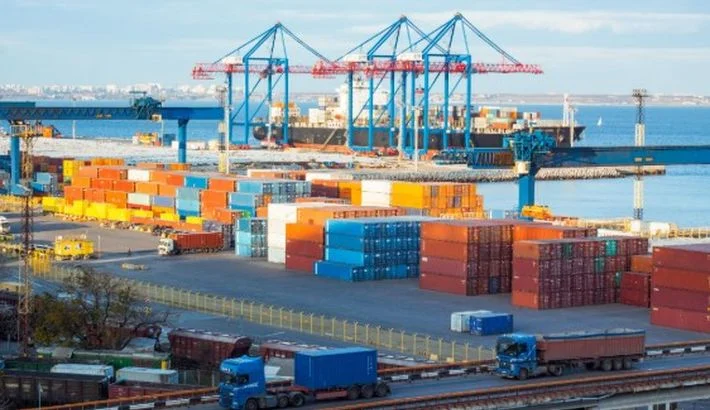
What Is Freight Forwarding, and How Does It Work?
The exact setup depends on many factors we’ll cover.
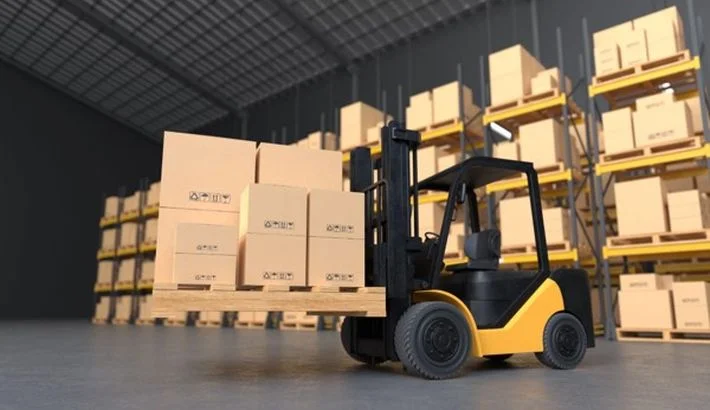
Fulfillment Center vs. Warehouse: What’s the Difference?
The right choice depends on several factors we will discuss in more detail.

How Much Does It Cost to Ship a Car Overseas From the USA?
This process is rarely priced with one flat fee.



 Domestic