



Subscription Box Fulfillment: A Guide to Logistics for Recurring Orders


 To share
Over the past few years, subscription boxes have really taken off. Many customers enjoy getting a curated bundle of products straight to their doorstep. It’s convenient, engaging, and creates a sense of personalized attention. For businesses, programs are a source of stable income, a predictable flow of recurring revenue, and a tool for increasing customer lifetime value (CLV).
However, a complex logistics system lies behind this simple and beautiful experience. Subscription box fulfillment is more than just packing and shipping products. It's an entire process, including product receipt, storage, assembly, packaging, delivery, and quality control. Every step impacts customer satisfaction and the business's ability to manage costs and scale.
Managing international subscriptions is especially challenging. This format requires an understanding of customs procedures, tariffs, and domestic shipping regulations, as well as the correct selection of carriers. Mistakes at this stage can lead to delays. They can also lead to increased churn rates. These mistakes can even lead to additional expenses.
Startups and small businesses need to decide whether to handle the entire process themselves. Many choose to partner with professional providers, such as fulfillment partners or third-party logistics (3PL) companies, to streamline operations. Every approach has its set of advantages and limitations.
What Exactly Is Subscription Box Fulfillment?
Subscription box fulfillment is a process that ensures regular delivery of orders to customers. It differs from standard one-time shipping. The main differences include strict planning, inventory management, careful picking, packaging, and on-time delivery. The sender must perform every step correctly. Errors directly impact the unboxing experience and customer retention.
The primary goal of the process is to simplify and enhance the subscriber experience. Every step, from precision picking and packing to branded packaging, affects the customer experience. An organized process can reduce logistics and handling costs, increase customer loyalty and recurring revenue, and minimize churn rates.
For businesses, subscription fulfillment includes several key elements. These elements are:
- inventory management and demand forecasting;
- assembly and kitting of individual sets;
- packaging with branded materials;
- quality control at every stage;
- integration with subscription management software;
- order fulfillment and subscriber tracking;
- return logistics;
- organization of domestic and international shipping.
Professional fulfillment solutions help small businesses manage logistics more easily. They also save resources and let teams focus on product development and marketing.
The Fundamental Decision: In-House vs. Outsourced Fulfillment (3PL)
Before launching subscriptions, a company must make a key decision: whether to manage logistics in-house or outsource it to professionals. This decision affects delivery quality, operational costs, and business scalability. The chosen strategy determines how all stages will be executed – from product receipt and inventory management to box assembly and carrier shipping.
Handling logistics in-house provides complete control over the process. Businesses can choose how to assemble boxes, add personalized elements, and design a one-of-a-kind unboxing experience for their subscribers. This approach is suitable for smaller companies that want to maintain direct customer contact. They also aim to control every detail of their product.
Outsourcing processes to a third-party logistics provider (3PL) allows you to delegate all operations to professionals. The partner is responsible for receiving products, managing inventory, assembling items, packaging them, and delivering them. This includes domestic and international shipping. This approach reduces the team's workload, minimizes errors, and enables the business to grow without sacrificing service quality.
However, for a company to determine what's best for it, it needs to understand these two options better. In reality, each option has many advantages and disadvantages, and you should consider them all.
In-House Handling Fulfillment (DIY)
Managing program boxes yourself gives you complete control over the process. You decide exactly how to assemble, pack, and ship each product. However, you must consider your team's workload and resource constraints.
Key DIY logistics tasks include:
- organizing warehouse and storage areas;
- manual picking and packing;
- inventory monitoring and updating;
- preparing batch shipments for monthly delivery;
- printing and attaching labels for domestic shipping;
- interacting with carriers for delivery;
- processing returns (reverse logistics).
DIY provides flexibility, but as subscriptions grow, the workload on your team increases. In this case, errors during the assembly stage can increase churn rates and lead to negative customer reviews.
Outsourcing to a 3PL (Third-Party Logistics) Partner
Using a subscription box fulfillment provider allows you to outsource all logistics operations to professionals. This approach reduces the risk of errors and accelerates delivery. Businesses can focus on product development and marketing, rather than warehouse and shipping management.
Delegating tasks to specialists is especially beneficial when companies plan to scale their program service and expand into international markets. The advantages of a 3PL include:
- scalability as the order volume increases;
- optimization of subscription box fulfillment costs;
- inventory management through warehouse management (WMS);
- process automation through program management software;
- access to international shipping to over 170 countries;
- quality control and inspections at every stage;
- return and exchange processing (reverse logistics).
Working with experienced partners like Meest enables businesses to access full-cycle subscription box fulfillment services without placing unnecessary strain on their teams. This includes receiving goods, kitting and assembly, packaging, delivery, and returns processing.
This approach ensures process transparency, cost control, and high-quality service. All of this directly impacts customer retention and the stability of recurring revenue.
The Anatomy of the Subscription Fulfillment Cycle: A Step-by-Step Breakdown
Subscription box fulfillment isn't just about sending boxes. It's a carefully thought-out process in which every detail affects the subscriber experience and business performance. While regular shipping is one-time, program boxes are recurring. Therefore, it's crucial to maintain consistent quality throughout each cycle.
Every stage of logistics requires careful planning. Businesses must consider inventory management, packaging, the assembly procedure, and quality control. All of this helps minimize errors, reduce operational costs, and create a pleasant unboxing experience.
Subscription logistics require flexibility and a willingness to change. The number of subscriptions can fluctuate from month to month due to new product launches or packaging updates. Processes must be scalable and easily adaptable to growing orders and new requirements.
Step 1: Receiving
The first stage is receiving products at the warehouse. It's important to ensure that all items have arrived in the correct quantity, in good condition, and ready for storage. Any error at this step can delay subsequent stages and negatively impact customer lifetime value (CLV).
Typical actions at the receiving stage include:
- Checking the quantity and condition of items.
- Reconciling with supplier orders.
- Registering each SKU (Stock Keeping Unit) in the system.
- Identifying damage or shortages.
- Entering data into the warehouse management system (WMS).
- Preparing for batch fulfillment.
- Transferring information to the next stage – kitting and assembly.
Proper receipt of goods helps plan logistics, reduces the likelihood of errors, and ensures transparency throughout the process. For international shipping, it's important to consider all the details, including customs regulations and documentation.
Step 2: Warehousing & Inventory Management
After receiving goods, the next important step is storage and inventory management. Effective inventory management helps businesses monitor product availability and plan future shipments. This is especially important for subscription boxes, where each order is unique and repeated regularly, and errors can lead to delays and dissatisfied customers.
Modern WMS provides a comprehensive view of the warehouse's current status. They allow you to track inventory in real time, control the movement of each SKU, and speed up the picking and packing process. With their help, you can effectively distribute products throughout the warehouse, plan batches for monthly shipments, and avoid errors when picking boxes.
Integrating inventory data with program management software helps synchronize the warehouse and subscription process. Businesses can forecast demand, account for product expiration dates, plan batch execution, and prepare products for kitting and assembly in advance. All of this reduces the risk of errors and accelerates picking and packing. Additionally, you provide a positive subscriber experience, increasing their loyalty and trust in the brand.
Step 3: Kitting & Assembly
The kitting & assembly stage is the core stage of the logistics workflow. This is where each box becomes unique. Here, you build the unboxing experience that leaves a lasting impression on subscribers.
Proper assembly directly impacts customer retention, repeat orders, and overall brand loyalty. You need to plan the sequence of actions to ensure the process is fast, accurate, and minimizes errors. Typically, the assembly process includes the following steps:
- Inspection of each product per order.
- Creation of custom-branded boxes.
- Addition of promotional materials, brochures, and instructions.
- Installation of decorative paper and fillers.
- Checking the completeness of each box.
- Labeling for domestic and international shipping.
- Preparation for shipment in batches.
Every properly assembled box reduces the likelihood of errors, increases CLV, and makes each order special for the subscriber. At this stage, you should also consider dimensional weight. This will optimize shipping costs and avoid overpaying for transportation.
Companies that meticulously perform kitting and assembly enjoy satisfied customers, a stable revenue flow, and positive reviews. All of this actively helps further develop their subscription business.
Step 4: Packing & Quality Control
After the boxes have been assembled, the packaging and quality control stage begins. At this stage, you need to ensure that each box contains all the necessary items, that the packaging is undamaged, and that the box is ready to go. Verify that each item is positioned correctly and the box is ready. Doing this keeps subscribers happy and gives them a great unboxing experience.
At this point, you also calculate the dimensional weight. This helps you keep shipping costs in check and pick the best rate with your carrier. Then each box gets labeled, sealed, and prepped to go out the door. At this point, you follow all standards to deliver top-quality subscription box fulfillment solutions.
Careful quality checks reduce mistakes and returns. It also builds trust with subscribers, which is key for any business with recurring orders. Companies that pay attention to their packaging and check their boxes gain satisfied customers. Furthermore, they can significantly strengthen customer loyalty and lay the foundation for scaling their membership service successfully.
Step 5: Shipping & Tracking
The final step is delivering the box to the subscriber. Properly organized shipping and tracking can significantly impact order receipt and customer satisfaction.
You decide how to create labels, choose shipping rates, and notify subscribers about their boxes. A well-established process reduces stress for your team and improves the user experience. This step includes the following:
- printing and scanning shipping labels;
- selecting optimal rates from carriers;
- registering, tracking, and notifying customers;
- integrating data with subscription management software;
- monitoring successful delivery and arrival time;
- processing returns;
- monitoring and reporting on deliveries.
After shipping, continue tracking each order and promptly respond to customer inquiries. Effective shipping management reduces costs. It also helps manage recurring revenue and ensures that subscribers receive their boxes on time.
Companies that carefully manage their shipping and tracking processes build trust and increase users loyalty. All of this is especially important for a successful subscription business.
Key Challenges and Strategic Solutions
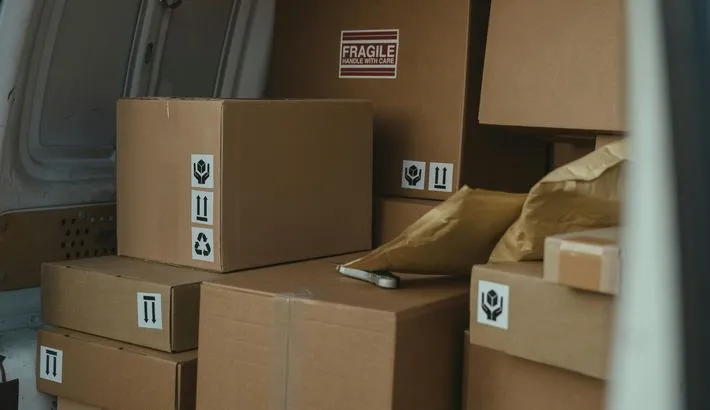
Organizing implementation is always a balance between the quality of service for subscribers and the efficiency of internal processes. Even experienced companies face challenges that can slow order processing, increase costs, or reduce customer satisfaction.
You must fully understand these challenges and have a clear strategy to address them. This will minimize errors, reduce subscription box fulfillment cost, and maintain a stable flow of recurring revenue.
One of the main problems is errors in box assembly and packaging. Each subscription is individual. Missing items or incorrect packaging will immediately impact the unboxing experience. Such situations increase the churn rate and reduce subscribers' trust in the brand.
Another common challenge is inventory management. Without an effective system, you will easily face shortages of goods or surpluses in the warehouse. In turn, this creates delays, unnecessary storage costs, and complicates the batch execution process.
It is worth noting that international delivery also creates difficulties. It requires consideration of customs regulations, tariffs, and required documentation. Mistakes at this stage can delay shipments at the border and cause customer dissatisfaction. In addition, transportation costs often increase due to incorrectly calculated dimensional weight or ineffective carrier management.
Returns and exchanges are another important aspect. Without a well-thought-out returns management system, handling returns becomes chaotic. You risk losing goods, failing to update product availability and condition, and leaving subscribers dissatisfied.
There are proven solutions to help businesses cope with these challenges. You can use professional box fulfillment solutions to delegate assembly, packaging, and delivery to experts, reducing the burden on your internal team.
Automation through warehouse management (WMS) and integration with subscription management software provides transparency, inventory control, and real-time order tracking. For clarity, we can highlight the main strategic solutions for key problems:
- checking completeness during assembly and quality control;
- accurate inventory management and demand forecasting;
- optimization of delivery costs through partner rates and batch implementation consolidation;
- transparent returns management (reverse logistics) system;
- integration with digital tools for tracking and notifications.
These measures help companies create a consistent operational workflow, reduce the risk of errors, and improve subscriber satisfaction. Partners like Meest provide a full cycle of support: goods acceptance, kitting & assembly, packaging, shipping, and international support. This allows the business to focus on marketing, growing users, and retaining customers without being distracted by logistics.
The right combination of technology, processes, and professional expertise makes subscription fulfillment predictable, transparent, and beneficial for both sender and recipient. Support for 3PL (Third-Party Logistics) and digital tools enables a business not only to reduce delivery costs but also to deliver high-quality service to the community. This directly affects long-term success and a stable stream of recurring revenue.
Conclusion
Running a subscription program requires more than packing and shipping boxes. It's a complex system. Every detail impacts user experience and business performance. Every step is important: from proper product receipt and precise inventory management to careful kitting and assembly, and from timely carrier delivery to return tracking.
Choosing between managing your processes and outsourcing them to a professional partner is key. The first one gives you complete control but requires resources and experience. Engaging a professional fulfillment partner like Meest allows you to scale your business. Furthermore, you can optimize your execution costs, reduce errors, and improve customer satisfaction.
Companies that organize membership fulfillment correctly reap numerous benefits, including:
- stable and predictable revenue stream;
- improved unboxing experience for subscribers;
- reduced churn rate and increased customer lifetime value;
- savings on international and domestic shipping;
- effective inventory and process management through warehouse and recurring order management software;
- ability to quickly scale your business as your client base grows.
Subscription fulfillment isn't a one-time task but a continuous improvement process. Using modern technologies, integrating with digital tools, and collaborating with experienced logistics partners help businesses remain competitive, provide high-quality service, and retain customers for the long term.
In today's e-commerce, membership boxes remain a powerful tool for attracting and retaining customers. Companies that invest in strong logistics processes experience stable growth. Furthermore, they earn their users' trust and the opportunity to focus on product development, marketing, and global expansion.
Meest enables businesses of any size to manage boxes easily and efficiently. This is possible thanks to its experience in subscription box fulfillment, support for international shipping, and integration with digital tools. This approach transforms a complex logistics process into a transparent, predictable system, ensuring success for both the sender and the recipient.
To summarize, a well-organized subscription fulfillment system is the foundation of a stable subscription business. It's an effective tool for growth, cost reduction, and the creation of a positive customer experience at every stage – from the warehouse to the doorstep.
To share
Our news

Meest and Self Reliance Financial Federal Credit Union (SRFFCU) Announce New Partnership
Together, we are creating more opportunities for the Ukrainian community in the United States
Important Customs Requirements Update for Shipments to Armenia
We recommend reviewing these requirements before creating your shipment to help avoid possible delays.
Happy Labor Day!
Wishing you and your loved ones a safe, relaxing, and enjoyable Labor Day.


How to Address a Package for Domestic and International Shipping
Let's explore this together.

Understanding CBM in Shipping: Your Guide to Cubic Meters in Logistics
You'll avoid surprise fees and keep the whole process simple.



 Domestic