


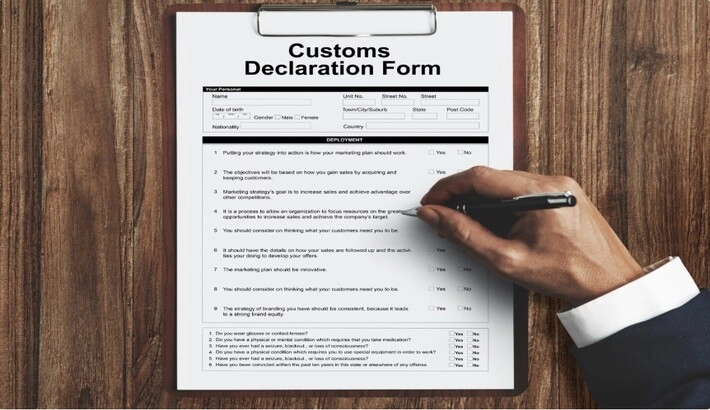
What is an HS Code, and How Do I Find the Right One for My Product?


 To share
International shipping can be a complex procedure. Even if you are working with a reliable carrier like Meest, you still have to prepare documentation, understand the tax and duty rate, and fill out the customs declaration form. Most of the information is straightforward: item description, the shipping value, the weight of the goods… Then, you get stuck on the cryptic “HS Code” field. Sometimes called the “Tariff Code,” it leaves most international shippers confused.
In reality, it’s just a universal zip code for products. The Harmonized System code serves as a guideline for customs to understand what exactly you have in the parcel. It’s an internationally standardized system of names and numbers to classify goods and impose a certain duty and tax tariff on them at the border. HS is managed by the WCO — the World Customs Organization. And when your package travels worldwide, its HS code is the most important piece of information for customs officials.
In this guide, we will explain what the HS code is and how to understand it better, as well as how to use the HS code lookup services. Additionally, we will break down its structure and provide a practical, step-by-step process for finding the right code, regardless of the item you are sending abroad.
Understanding the Structure of an HS Code
When you first search for the code online, you will stumble across a big list of products and items. This can lead to further confusion, as you don’t have an idea what each commodity could mean and how to use the list to your advantage. So, it’s essential to break down the structure of an HS code first.
Most of them have only six digits, but that only relates to the international classification. Some countries expand the code up to 10 or more digits. Then, the added ones reflect classification within the country. In Australia, for instance, two additional digits mean that the item falls under export from Australia. The US also has a Harmonized Tariff Schedule, or the HTS: a code applied to imports to the United States. It contains 10 digits, compared to the international six.
In general, the established HS format is:
- 2 digits — the broad product category, such as plastics, paper, etc.;
- 2 digits — specific classification of the item;
- 2 digits — additional details about the product, including its use or essential ingredients.
For example, the code 620520 means you have a shirt in your parcel. 62 is the digit for “Articles of apparel and clothing accessories,” 05 relates to “Men's or boys' shirts,” and 20 means that it’s made out of cotton. So, once the customs representatives look at the HS code in the declaration form, they know you are shipping a men’s cotton shirt.
A Step-by-Step Guide to Finding Your Product's HS Code
Searching for the HS code you need for each item is a pretty straightforward process that involves a few steps: gathering the product’s details, using the applicable tools, and verifying the code before you note it down. Yet, some goods are hard to identify. So, it’s best to use the step-by-step instructions below.
Step 1: Gather Information About the Goods
During this step, you should have the product in front of you. Take a look at the packaging and note down everything you find important. This includes the material, function, intended use, and more. In case you are not sure, contact the manufacturer for additional technical specifications.
Next, collect the documents about its materials and chemical composition. Given that most items use several materials, single out the most essential component to use during classification.
Step 2: Use Tools Online
Many HS tariff code lookup tools online have helpful information for international shippers. But first, it’s important to access the official database. Databases like the International Trade Administration (ITA) website or the Harmonized Tariff Schedule (HTS) website are perfect.
If something is still missing, use keywords regarding your product and search again. For example, if you are sending a face cream, include its components in the search bar. Additionally, try synonyms. Some search engines and lookup tools allow for image search, which can also help the sender narrow down HS code options.
Step 3: Verify the Code and Write It Down
Once you understand what your product is and its purpose, you can start classifying it. In the Harmonized System, there are General Rules of Interpretation (GRI) to assist senders in the process. It includes six rules and guidelines in total. The first rule says you should focus on headings and subheadings first and only then move on to chapters and additional notes, since the classification itself is based on headings.
Next, if the first rule doesn’t work, you can move on to the lower level of classification. In the second rule, it’s also efficient to focus on headings first, then chapters and notes. This process goes on until the product is classified. GRI rule number three mentions hard-to-classify products. When you are mailing something like this, just stick to the heading that seems the most applicable.
Sometimes, one product can be classified under two or more headings. In rule number four, the guide states that you should note down the most specific one out of all. The next rule, number five, talks about the parts and accessories of another product. If their classification is the same according to the type and material, it should be under the same digits as the principal one.
Last but not least, if there are no applicable headings, then the product should have the closest resembling one, according to the sixth rule. Still, all these rules do not guarantee that you will note down exactly the HS code needed. So, if you are still asking yourself, “What is an HS code?”, consult the experts. Either reach out to the courier service you are using, like Meest, or cooperate with a customs broker for assistance.
Depending on the description of your item, you could use some carrier tools online to suggest the closest code. When you choose one, note it down on your CN22/CN23 form or commercial invoice, and record the reasoning behind it: this step can help during customs clearance.
Common Mistakes and the Consequences of Using the Wrong Code
International shippers, especially those sending something across the border for the first time, often make mistakes when using HS codes. Unfortunately, this can cause delays, returns, and even confiscation. So, it’s vital to choose the right category for your product and write down the correct code. Let’s go through the most common mistakes to avoid them.
The first one is using an outdated code. Although you might think you wrote down the right digits, customs officials might still check the items inside and request a new customs form with the correct information. That happens when you use old code lists: the WCO changes the system every five years, while some countries do it even more often. So, before you put down the digits from the past customs form, check its accuracy first.
Additionally, avoid copying codes from similar products. For example, if you are sending two face creams, you might think they go in the same category. Yet, the two might have different medical or chemical ingredients, and customs will classify them under different digits. And so, one cream will be subject to higher duties. Senders shouldn’t guess based on the product name, either — the HS system is based on usage and materials, not the way the store described it when you bought it.
The risks of getting it wrong are huge, even if you are shipping a simple gift to your loved ones. Remember: you should find HS code and check it with the customs brokers or carriers before sending the form. The best thing that could happen to you otherwise is a simple delay. Customs authorities will see that the code doesn’t match and then will review the items in the box manually. This can slow down the clearance and, as a result, the delivery to the recipient itself.
Although each country handles HS classification in its own way, adding and removing digits, they all have one thing in common: the rules are strict. If you put down the wrong code, underpay duties, or try to play innocent, customs officers may hit you with penalties. This means you will pay more on top of the delivery fee, duties, and taxes. In some cases, senders also overpay duties. Imagine you have entered an HS code with a 20 % rate instead of 5 %, and no one caught the error.
But the worst-case scenario is shipment return or destruction. When the digits are wrong, and the category you put down is restricted, your goods will definitely be shipped back and denied entrance without additional certificates. Evidently, banned goods often get destroyed by the officials — a terrible price to pay for such a mistake.
Conclusion
Every international sender has to ask themselves, “What is HS code in shipping?” when they start filling out customs declaration forms. Understanding the Harmonized System classification is the right move, as this data is essential for customs to clear your goods at the border.
Before you start searching for the right digits, it’s important to understand what they mean. Then, you can follow a guide, including the General Rules of Interpretation, to see what you have to write on the form. Last, check the most common mistakes individuals make when working with the HS code and the consequences they face for the errors. Given that you follow the instructions above, your delivery will be successful.
To share
Our news


Meest and Self Reliance Financial Federal Credit Union (SRFFCU) Announce New Partnership
Together, we are creating more opportunities for the Ukrainian community in the United States
Important Customs Requirements Update for Shipments to Armenia
We recommend reviewing these requirements before creating your shipment to help avoid possible delays.

What Is a Bill of Lading, and Why Do You Need It?
A bill of lading is one of the central shipping records used in cargo transportation.

What Is a Packing List for Shipping and How to Prepare One?
A clear packing list makes it easier for all parties involved to understand what they are transporting.
What Is Freight Forwarding, and How Does It Work?
The exact setup depends on many factors we’ll cover.
Fulfillment Center vs. Warehouse: What’s the Difference?
The right choice depends on several factors we will discuss in more detail.
How Much Does It Cost to Ship a Car Overseas From the USA?
This process is rarely priced with one flat fee.



 Domestic