


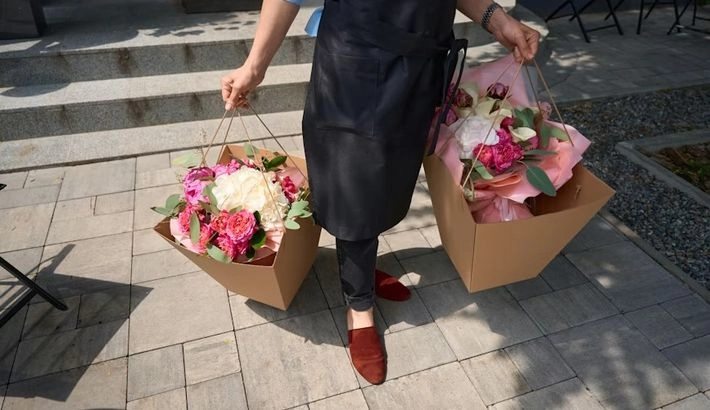
How to Ship Flowers and Plants


 To share
Shipping flowers and plants isn't just a matter of "putting them in a box and sending them". When you ship live herbs or fresh-cut florets to a loved one, colleague, or partner in another state, you assume responsibility for their condition, safety, and compliance with transportation regulations. Flowers are perishable cargo. Plants are sensitive to temperature, humidity, transit time, and even packaging type.
Everyone wants their package to arrive on time, look presentable, and move smoothly through transit without delays caused by regulations or packaging mistakes. Therefore, you should know which shipments are acceptable, restricted, or prohibited. Another important consideration is how to proceed within the United States, including the carrier's role and its guidelines. In the US, the USDA and its APHIS division oversee and manage these matters.
So, how to ship flowers? Meest has been carrying florets within the US for many years. They understand the importance of considering not only delivery speed but also Department of Agriculture requirements, state regulations, and sanitary standards. Below, you'll learn a wealth of helpful information to help you avoid common mistakes and prepare your shipment with peace of mind — from packaging to final delivery.
The Big Question: Can You Ship Plants Internationally?
To be honest and without marketing illusions, the answer to the question “Can you ship flowers internationally?” for individuals and small shipments is almost always no. International shipment of herbs and florets is subject to strict government control, not standard logistics.
Why is this? Plants and flowers can carry pests, fungi, and diseases that threaten the agricultural production of other countries. This is why almost all states require a phytosanitary certificate. Authorized agencies usually issue it. In the US, the USDA and its APHIS division oversee and manage these matters.
Furthermore, even with a certificate, additional barriers apply:
- customs checks at the border;
- mandatory quarantine for some plant species;
- restrictions on root system types (for example, bare root is more often accepted than plants with soil);
- prohibitions on transporting soil, as it may harbor pests.
For a private shipper, obtaining phytosanitary documents is a complex and expensive process, which requires plant inspection, adherence to deadlines, and strict compliance with the destination country's requirements. In reality, this is only justified for scientific, commercial, or botanical purposes.
If you're thinking about shipping live herbs or flowers internationally, in most cases, it's either impossible or impractical. It's much more reasonable to consider local delivery within the country.
Shipping Domestically (Within the USA): What You Must Know
Shipping flowers and plants within the US is more straightforward than transportation internationally. However, this doesn't mean you can act intuitively. Even within a single state, dozens of regulations govern the protection of agriculture, biodiversity, and ecosystems.
Shipping herbs and florets is always a balancing act between logistics, packaging, and compliance with specific state requirements. The carrier delivers the package, but responsibility for its contents, admissibility, and compliance with regulations lies with the sender. If you don’t know the requirements, it won’t absolve you from the consequences, which can range from delays to the confiscation of the shipment.
In order to ship florets across the country, you must first consider the type of shipment. Not all plants and flowers are treated equally by regulatory authorities and carriers.
Cut flowers are considered the least risky category. They lack a root system and soil, meaning they have a minimal risk of pest transmission. This is why cut florets are most often permitted for interstate shipping. They are significantly less likely to be subject to additional inspections.
Potted plants and herbs with roots are living miniature ecosystems. Soil, roots, and moisture create potential risks, so such shipments require:
- stricter packaging;
- reliable soil containment;
- accountability for specific state restrictions;
- compliance with carrier regulations.
In some cases, governments prefer bare-root plants, as the lack of soil reduces regulatory risks.
The USA is a federal country, and states have the right to impose additional restrictions. This is especially noticeable in regions with unique natural environments or developed agriculture. You should consider these factors when carrying herbs.
California is a notable example of such restrictions. The state actively supports the agricultural sector and restricts imports of many plant species. Hawaii has some of the strictest regulations due to its isolated ecosystem, while Florida closely monitors plants due to risks to citrus crops.
Due to these specifics, restrictions may include bans on particular species, mandatory inspections, temporary quarantine, and ultimately outright refusal of entry. Therefore, before transportation, it is essential to confirm not only the carrier's regulations but also the requirements of the destination state.
Federal and state agencies enforce plant control within the United States. In practice, the Department of Agriculture's local offices play a key role. They:
- publish lists of permitted and prohibited herbs;
- determine which shipments are considered restricted;
- cooperate with the USDA and APHIS on biosecurity matters.
As a rule, domestic shipments do not require a phytosanitary certificate. However, you should understand that regulations may vary depending on the plant species and the shipping destination, especially, when carrying rare, exotic, or commercially significant species.
Even if a plant is formally approved for shipment, its actual condition is crucial. Weak, infected, or damaged plants do not tolerate transportation well. Furthermore, they may be stopped during inspection and, in some cases, even destroyed without compensation.
Before transportation, you should ensure the plant shows no signs of pests. Leaves and stems should appear healthy, and hydration should be optimal but not excessive. Plants should also be free of mold or rot. Plant health is not only about caring for the recipient, but also about following regulations.
So, the answer to the question "Can I ship flowers and herbs within the USA?" is short and straightforward: yes. However, you must comply with the regulations, ensure proper packaging, and choose the appropriate shipping method.
This is where many people wonder how to organize the shipment so that the contents arrive intact and undamaged. Experience shows that successful delivery always starts with three things:
- proper packaging, taking into account the type of shipment;
- understanding the carriage times and conditions;
- understanding how long the package will be outside controlled temperature and humidity conditions.
When you take these factors into account, shipping flowers and plants within the USA becomes a predictable and manageable process, not a lottery.
How to Pack and Ship Cut Flowers
Cut florets are the most popular and, at first glance, the easiest transportation option. People most often send them when they need to ship flowers across the country, congratulate a loved one in another state, or convey a token of affection.
However, this simplicity is deceptive: cut flowers are living, perishable goods that are sensitive to transit time, temperature, and packaging conditions. Even a few hours without moisture or a sudden temperature change can cause them to wilt. Therefore, the success of a delivery almost always depends on preparation.
Step 1: Preparing the Flowers
The preparation begins long before the flowers are placed in the box. Before packing, remove excess leaves from the stems and inspect the florets to ensure they are fresh and undamaged. It's also a good idea to trim the stems at an angle to improve water absorption and ensure adequate moisture.
In practice, water-soaked floral foam is typically used. This helps maintain moisture around the cut florets and prevents them from drying out, even during delays. Wet wipes or special water capsules can serve as alternatives. However, they are less reliable during long journeys.
It's important to remember: flowers shouldn't “float” in water — excess moisture can cause rot.
Step 2. Protection From Temperature Fluctuations
If you're looking for the best way to ship flowers, temperature might be the main enemy. They tolerate both heat and cold equally poorly.
Depending on the season, you may need:
- ice packs, especially in summer, when temperatures in shipping hubs can be high;
- additional insulation for the box walls (foam, multilayer cardboard);
- protection from drafts and direct winter cold.
A key point: ice packs should never come into direct contact with the petals or buds. There must be a layer of insulation between the cold source and the flowers. Otherwise, there is a risk of damaging plant tissue.
Step 3. Packaging
Proper packaging is more than just a box; it's a protective system. Use a sturdy transportation box that's the same length as the stems, doesn't compress the buds, and leave not enough space between the stems.
The box must have:
- reliable containment of the stems to keep them in place;
- soft cushioning (paper, cardboard inserts) to prevent shifting;
- protection of the buds from pressure from above;
- clear “fragile” markings indicating the fragility of the contents.
The box should close tightly, but without putting pressure on the flowers. Any shifting during transport can cause mechanical damage.
Step 4. Choosing a Delivery Method
Even perfectly packaged florets won't survive a long wait. Time is critical. Overnight shipping is optimal for fresh flowers, as it minimizes delivery time. Express carriage is paramount when transportation between remote states.
The less time flowers spend outside controlled conditions, the greater the chance the recipient will find them fresh and fragrant. This is why expedited shipping methods are often considered the best way to ship plants if you genuinely care about the result, not just the delivery itself.
How to Pack and Ship a Potted Plant
While cut florets can survive the journey relatively unscathed if properly packaged, live potted herbs require a much more careful and thoughtful approach. Here, you're dealing not only with the plant's appearance, but also its root system, soil, moisture, and overall condition.
Any mistake, from excess water to improper securing, can result in the plant not surviving even a short journey. That's why the question “How to ship plants?” always begins with a risk assessment and careful preparation.
Step 1. Assess the Plant Before Shipping
Before considering packaging, carefully examine the plant itself. It should be healthy, with no signs of pests, fungus, or rot. If the leaves are already wilting or the roots appear weakened, the journey will only become worse.
It's also worth checking the pot's moisture level. Overly wet soil becomes heavy during transport, potentially shifting and damaging roots.
The pot itself is equally important. It must be stable, free of cracks and chips. Fragile or decorative containers often don't withstand the journey. Therefore, it sometimes makes sense to temporarily repot the plant in a simpler, more durable pot before shipping.
Weak or damaged herbs fare worse in transit. They often don't even survive transportation within the same state.
Step 2. Preparing the Soil and Roots
Soil is one of the most vulnerable elements when carrying plants. During transit, it can crumble, dry out, or, conversely, shift and damage the root system. To prevent this, the soil is lightly moistened, but not soaked.
The soil surface is usually covered with paper, cardboard, or film to ensure reliable containment. This helps hold the soil in place and reduces the risk of contamination of the box.
In some cases, especially for long-distance shipments, transportation of bare-root herbs may be a safer option. This method requires careful root preparation and is not suitable for all species, but it significantly reduces regulatory and logistical risks.
Step 3. Securing the Plant Inside the Box
Even a perfectly prepared plant can suffer damage if it moves freely inside the box. Secure a potted plant so that tilting or shaking does not put stress on the stems or leaves.
Typically, the pot is additionally secured with cardboard inserts, and the plant itself is protected with soft material. Cushioning is used for this purpose, filling voids and preventing shifting.
The box must remain strictly upright throughout delivery. Any tilt can cause root damage, broken stems, or plant deformation.
Step 4. Box and Labeling
The choice of box is just as important as the plant's packaging. A sturdy shipping box should be the appropriate size, not compress the plant, and not leave too much free space.
The box must have ventilation holes to prevent the plant from suffocating during transit. Mark the outside of the package as fragile and clearly indicate that it contains herbs. This doesn't guarantee perfect handling, but it increases the chance of more careful processing during logistics.
Step 5. Choosing Delivery Speed
When answering the question "How to ship plants across the country?", timing is significant. The faster the plant reaches the recipient, the more likely it is to remain healthy and in good condition.
In most cases, expedited delivery is the best option. This is especially true during periods of extreme temperatures, when even well-packaged plants can be damaged by heat or cold during long waits in warehouses or sorting facilities.
Choosing a Carrier and Finalizing Your Shipment
Once the packaging is fully prepared, select a carrier and finalize the shipment. This is where many mistakes are made. Most shippers rely solely on price or promised delivery times, failing to consider the actual conditions of transporting live and perishable cargo.
Each carrier operates according to its own guidelines, which are crucial for shipping flowers and plants. These rules outline:
- acceptable shipment types;
- perishable cargo restrictions;
- packaging requirements;
- delivery times and formats.
Some companies explicitly list herbs and flowers as restricted, accepting them only under certain conditions or refusing such shipments entirely.
For domestic shipments, Meest helps you navigate the rules, requirements, and available delivery options. This is especially significant for live shipments.
For the shipper, this means a clearer understanding of acceptable transportation formats, the correct choice of delivery service, and a reduced risk of delays or refusals. If you're looking for an answer to the question "How to ship flowers to another state?", this approach is especially relevant. This is due to different regulations and additional restrictions imposed by local authorities.
When shipping florets and plants, the choice almost always favors speed. Overnight carriage reduces the risk of drying out, while express transportation minimizes stress on the plant and the time the package spends outside controlled conditions.
Conclusion
Sending flowers and plants is always more than just delivery. It requires care, attention to detail, and respect for the living contents of the box. Understanding the regulations, Department of Agriculture requirements, state-specific details, and logistical nuances helps you avoid disappointment and loss.
Proper packaging plays a crucial role, as live flowers and herbs are sensitive to temperature changes, moisture loss, and mechanical damage. Equally important is delivery speed — the shorter the transit time, the higher the chance that plants arrive fresh and healthy.
If you're planning to ship florets across the country or send a plant to a loved one, approach the process wisely. Proper preparation, consideration of restrictions, and a reliable delivery partner make the transportation of live flowers possible and successful.
With Meest, you receive precise logistics, support, and the confidence that your package is being shipped in compliance with all regulations and real-world delivery conditions — from sender to recipient.
To share
Our news


Meest and Self Reliance Financial Federal Credit Union (SRFFCU) Announce New Partnership
Together, we are creating more opportunities for the Ukrainian community in the United States
Important Customs Requirements Update for Shipments to Armenia
We recommend reviewing these requirements before creating your shipment to help avoid possible delays.
What Is a Bill of Lading, and Why Do You Need It?
A bill of lading is one of the central shipping records used in cargo transportation.

What Is a Packing List for Shipping and How to Prepare One?
A clear packing list makes it easier for all parties involved to understand what they are transporting.

What Is Freight Forwarding, and How Does It Work?
The exact setup depends on many factors we’ll cover.

Fulfillment Center vs. Warehouse: What’s the Difference?
The right choice depends on several factors we will discuss in more detail.
How Much Does It Cost to Ship a Car Overseas From the USA?
This process is rarely priced with one flat fee.



 Domestic