



How to Ship a TV


 To share
Shipping a TV may seem easy at first, but it’s not. You need to think about the TV's size, fragility, packaging, and transportation details. Small mistakes can cause damage, delays, or extra costs.
If you're shipping a TV to a relative, friend, or partner, you act as the shipper, not the seller. Therefore, the primary goal is to ensure the device's safety and the predictability of its delivery. This is especially important for international shipments. In such cases, senders must also consider customs regulations and carrier requirements.
Meest offers solutions for conveyance electronics, including complex and oversized shipments. We offer favorable terms, affordable rates, and expert advice. This provides customers with greater security and peace of mind.
Why Shipping Equipment Requires a Special Approach
Televisions are considered fragile items. Their housing contains sensitive components. Even minor vibration or impact can cause damage, such as a cracked monitor screen or broken internal components.
Before transportation, check the TV’s dimensions (L x W x H) and weight. These factors affect shipping costs, packaging type, and delivery method. In many cases, carriers classify large TVs as oversized packages. This necessitates additional protection for these boxes.
Many shippers mistakenly believe that a standard case and minimal protection are sufficient. Use good packing materials, like bubble wrap, foam inserts, or moving blankets.
Preparing a TV for Shipping
A television is a fragile and expensive piece of equipment. Preparing it for conveyance requires special attention. Any mistakes made at this stage could result in damage to the screen, case, or internal components. They have the potential to make the process of obtaining compensation more complex in the event of an insurance claim.
If you don’t know how to pack a TV for shipping, consider the following key factors: size and weight, screen type, whether you still have the original box, and the carrier’s rules. The larger and thinner the TV is, the more likely it is to be damaged during transportation. You need solid protection.
The main goal is to protect the screen from shock, vibration, and pressure while it is being transported. Follow these steps to prepare your TV for shipping:
- Protect the screen with a soft material.
- Wrap the device with shock-absorbing layers.
- Place the TV in a sturdy box.
- Pack the accessories separately.
- Securely fasten the TV inside the case.
- Seal the packaging and mark it “Fragile”.
After these steps, your TV is ready for packing and shipping. But keep in mind that good protection depends not only on what you do, but also on the materials you use. The manufacturer's original box provides optimal support for the device, while a standard case requires additional reinforcement.
Furthermore, international shipments may have additional packaging and value declaration requirements. You should confirm the transportation regulations and insurance terms in advance. Doing so will help the sender avoid any delivery issues.
A comprehensive approach to preparing your TV is more than just a formality. It is essential for the secure transport of equipment over long distances.
Shipping TVs
Special attention is required when shipping monitors and TVs because flat-screen devices are particularly vulnerable. Even slight pressure can damage the display.
When using conveyance screens, you should use additional protective measures. These include corner protectors and crating. This is especially important if the device is being shipped long distances or undergoes multiple stages of transportation.
The process requires more attention than transporting a regular item. But how much does it cost to ship a TV? To tell you the truth, it's impossible to give a specific price, as it depends on various factors, such as box size, weight, and shipping method.
For domestic shipping, it's best to use a company that specializes in conveyance boxes. When preparing for international shipments, it is also necessary to complete a customs declaration, a commercial invoice, and an HS code.
Choosing a Shipping Method
The method you choose will directly impact the cost, speed, and safety of your shipment. Several options are available for transporting your equipment, including courier services and freight.
If you're conveying via UPS or FedEx, it's important to consider the size and weight restrictions. For large devices, use LTL (Less-Than-Truckload) freight or palletized transportation.
Consider the advantages of each shipping method before choosing one. This will help you avoid unnecessary expenses. It will also ensure the optimal balance between cost and safety.
Each method is suitable for specific conditions. For example, standard conveyance is ideal for small devices, while freight shipping is suitable for larger equipment. You should also consider the distance and urgency of the shipment. Here are some options:
- truck;
- cargo;
- mail;
- air;
- rail;
- ship.
Choosing the correct transportation method reduces the risk of damage and delays. Furthermore, each option requires different levels of packaging and documentation. Therefore, you should carefully consider all parameters before shipping.
Practical Packaging Tips
How to ship a TV without damage? This is a relatively common and logical question. To do this, you need to follow proven recommendations. For example, when packing the screen, consider the box's specifications. This is because improper securing can cause damage.
When choosing a protection method, consider the device's size, weight, packaging type, and shipping route. For example, when conveying long distances or internationally, TV protection requirements become more stringent. In such cases, it's essential to use professional solutions, such as white-glove service.
The purpose of packaging is more than just putting the TV in a box. Its purpose is to minimize vibration, impact, and pressure on the screen during transport by establishing a protective system.
First, protect the screen. Cover the screen with a soft layer of moving blankets or thick fabric. Then, add several layers of bubble wrap. Pay particular attention to the corners, as they are most often damaged during transportation.
Next, if it still exists, the TV is placed in its original box. You can use a sturdy case of the appropriate size or a special shipping kit if the original packaging is unavailable.
Fill the box space with foam inserts and additional packing materials to prevent the TV from shifting. If the case is too large, the device can be scratched or broken.
Finally, the box is hermetically sealed and reinforced with several layers of packing tape. The exterior must be marked “fragile”, along with the sender and recipient information. If the TV is large or very heavy, carriers may classify it as an oversized package.
How to Estimate Shipping Costs
Before the conveyance equipment, it's essential to calculate the costs in advance. Shipping costs depend on several factors: size, weight, distance, chosen transportation method, and level of protection.
When using UPS/FedEx, the price is calculated automatically based on the shipment's parameters. However, for larger shipments, it's more cost-effective to use a freight company or LTL.
Shipping costs include more than just the carrier's rate. Conveyance insurance, declared value, packaging, and possible duty taxes for international shipments are also factored in.
Cost factors always work together. You can't consider weight or distance alone. Even small changes in parameters can significantly impact the final price. Therefore, you should get a complete overview of your costs before transportation.
A proper cost calculation helps avoid unpleasant surprises. Furthermore, understanding your cost structure allows you to choose the optimal conveyance method. For the shipper, this means balancing safety and budget.
International Shipping of Equipment
If you ship a TV internationally, the process becomes more complicated. In this case, international shipping is used, which requires additional documentation.
The primary documents are the customs declaration and the commercial invoice. These specify the device's specifications, declared value, and HS code. Customs authorities use this information to calculate duties and taxes.
Errors in documents may result in delays or additional inspections. The sender should confirm the requirements of the destination country in advance.
If you are shipping equipment internationally, it is important to understand that the process differs from domestic conveyance. Stricter packaging requirements and more detailed shipping regulations are just two examples.
It's also worth noting that many people find it easier to ship a TV across the country because there are fewer logistical and customs requirements. It doesn't require customs paperwork. However, even when shipping domestically, you must adhere to packaging and securing standards.
Choosing a Delivery Service Level
In addition to standard delivery methods, additional services are available. These enhance the safety of your shipment. For example, the white glove service involves careful transport, manual loading, and minimal risk of damage.
For particularly valuable equipment, you should use palletization. In this case, you secure the device to a pallet, which reduces the risk of impacts and cargo shifting. The sender needs to determine in advance what level of service is required. This depends on the device's cost, the distance, and the degree of risk.
Additional services are not always mandatory. However, for expensive equipment, they are often justified, especially if the device has a complex design or a large screen. Such additional features include:
- care;
- load;
- move;
- lift;
- pack;
- seal.
Choosing a service level affects more than just safety. It also plays a role in the sender's psychological comfort. When you are confident that the device is protected, the delivery process becomes less stressful. This is especially important when sending equipment to loved ones.
Common Mistakes When Shipping TVs
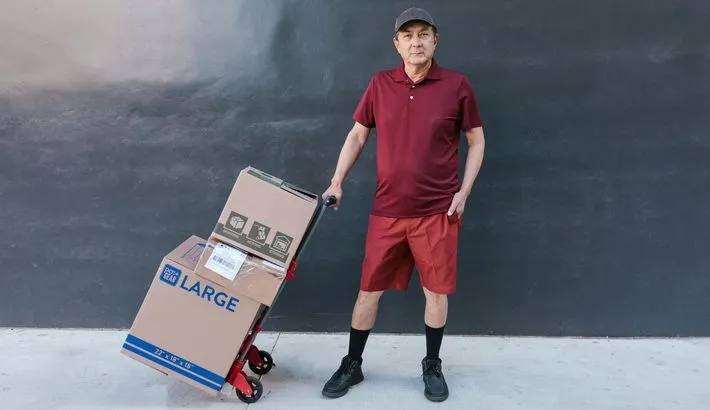
Even with high-quality packaging, shippers often make mistakes. They underestimate the importance of securing the device inside the box or use insufficient protective materials.
Another common mistake is not having insurance. If the device is damaged, the shipper will not receive compensation. Therefore, shipping insurance is an essential element of the process.
Also, many people fail to consider the packaging requirements for screens. For example, when shipping a TV, you must protect not only the screen but also the device's back panel. This is especially true for flat-screen models.
Furthermore, shippers often choose the wrong transportation method. For example, for large screens, standard conveyance may be less secure than freight.
Meest's Role in TV Shipping
For equipment shippers, it's not just the device's packaging that's important; it's also understanding who will accompany the package throughout the delivery process. Meest is more than just a carrier. The company is a full-fledged logistics operator, integrating various delivery formats and infrastructure in the US and internationally.
Meest offers several delivery types:
- domestic shipping within the US;
- international parcel transportation;
- freight conveyance;
- air and sea shipments.
This enables each shipper to select the most suitable delivery method based on the device's size, the route, and the delivery's urgency. For example, Meest ships packages across the US in 1 to 5 days, with a maximum weight of 110 pounds. They also handle international parcels and cargo, so you can send or receive equipment to many countries worldwide without hassle.
Customers receive flexible terms. They can ship everything from a compact computer to a large flat-screen TV, using a variety of logistics options. This approach is crucial for international shipping because conditions can differ greatly from those for domestic shipments.
Meest offers several conveyance options. You can place an order online through the website or app, drop off your package at a nearby location, or schedule a courier pickup. This makes it easy to choose the delivery option that works best for you.
One of Meest's key features is its transparent shipping cost calculation system. Costs depend on weight, dimensions, the destination country, and the type of service. This allows the sender to estimate the cost in advance. They can even calculate it using a special calculator.
The company also takes into account the specifics of conveyance electronics. The dimensional weight rule applies to parcels, where the cost is calculated based on the actual weight and packaging volume. This is especially important when shipping large-screen devices, where the box dimensions can significantly exceed the weight.
Meest provides support throughout the shipment preparation phase. The sender must specify a list of items and their value, measure the package, and prepare the recipient's information. These requirements are directly related to concepts such as declared value, customs declaration, and commercial invoice.
For international shipping, Meest also uses various customs clearance models, including DDU and DDP. In this case, the distribution of costs between the sender and recipient depends on the selected delivery format. The customer can understand in advance who will pay duty taxes and what additional costs may arise.
Meest helps build a predictable logistics model. The sender knows the delivery terms, costs, timeframe, and the parties' responsibilities in advance. This approach is critical when transporting expensive equipment, where errors in documentation or the choice of delivery method can lead to delays or damage.
Another advantage of Meest is the ability to combine services. For example, the sender can use the company's warehouse infrastructure to consolidate multiple shipments or select different delivery methods for other devices.
As a result, Meest becomes the link between the sender and recipient. The company provides transportation and logistics support. Therefore, it is safe to say that this company is the best way to ship a TV, regardless of the destination.
Conclusion
Shipping a television requires a systematic approach. Errors at any stage, whether it's packaging, choosing a delivery method, or completing paperwork, can lead to damage, delays, or additional costs.
Senders should understand that equipment safety begins long before they hand the package over to the carrier. Proper packaging significantly reduces the risk of damage. This is particularly important for flat-screen devices, which are sensitive to mechanical impact.
The delivery method also matters. Sometimes regular courier service is enough, but international shipments require proper documentation to avoid delays. Everything is made simple and stress-free by Meest. They help with shipping, packing tips, and paperwork.
The successful delivery of a computer, monitor, or television depends on a combination of factors. They include packaging, logistics, and sound decision-making when transporting one of these items. Only a comprehensive approach can ensure device security and confidence in the outcome.
This eliminates the risk of shipping equipment and makes the process manageable. Every step is planned out carefully. Whether you’re conveying within the US or overseas, a good plan and Meest's help make the process safe and easy for both you and the recipient.
To share
Our news


Meest and Self Reliance Financial Federal Credit Union (SRFFCU) Announce New Partnership
Together, we are creating more opportunities for the Ukrainian community in the United States

Important Customs Requirements Update for Shipments to Armenia
We recommend reviewing these requirements before creating your shipment to help avoid possible delays.
What Is a Bill of Lading, and Why Do You Need It?
A bill of lading is one of the central shipping records used in cargo transportation.

What Is a Packing List for Shipping and How to Prepare One?
A clear packing list makes it easier for all parties involved to understand what they are transporting.
What Is Freight Forwarding, and How Does It Work?
The exact setup depends on many factors we’ll cover.
Fulfillment Center vs. Warehouse: What’s the Difference?
The right choice depends on several factors we will discuss in more detail.
How Much Does It Cost to Ship a Car Overseas From the USA?
This process is rarely priced with one flat fee.



 Domestic