


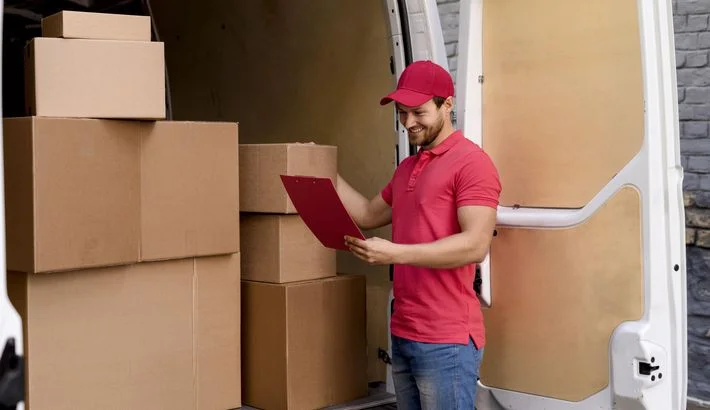
Ground Shipping Explained


 To share
The digital economy is growing at a quick pace, and consumers are expecting more from delivery services. Today’s online retail firms need to rethink their fulfillment logistics strategy. There is a strong structural strain on small and medium-sized enterprises to deliver items swiftly and affordably. They need to balance between satisfying consumer demand for cost-effective terms and making sustainable profits.
Air freight may seem attractive, but this method can easily result in losses. Smart merchants are using conventional standard ground shipping and optimizing their entire fulfillment system.
Overland commercial transportation is the backbone of retail supply chains. It is not as fast as express options, but it delivers packages to the customer’s doorstep. Some of the models use extensive networks of trucks, localized vans, and regional sorting centers to move large volumes of goods across inland territories. This model allows scaling orders without losing profitability. Let's figure out what is ground shipping and how to integrate it into your overall logistics to scale your store.
What is Ground Shipping?
Ground shipping is the practice of transporting merchandise via regional and domestic routes in a specific manner. This logistics model transports consumer goods from fulfillment centers to their final destinations using trucks, regional transport vans, and intermodal rail systems. The main feature is cost optimization. This service provides businesses with a reliable, practical means of processing daily shipments without delay.
When estimating total cost, it is important to consider that total ground shipping time depends on distance and network conditions. Total transit time for carriers is largely dependent on regional highway conditions, seasonal cargo volumes, and the overall efficiency of local sorting centers. Learn about the key operational differences compared to other e-commerce shipping options:
- reduced costs — ground shipping avoids the extra fuel surcharges and is more affordable for small firms;
- fewer packaging restrictions — road-based transportation is more suited for huge boxes, heavy materials, and hazardous products than air, depending on carrier rules;
- greater environmental efficiency — using truck-based routes rather than air freight is better for the environment because it creates fewer carbon emissions;
- flexibility of routes — routes may be adjusted at any time due to weather conditions and traffic accidents, which may help decrease the delay period.
A robust road-based infrastructure enables online retailers to offer their customers more transparent and profitable service terms. No more wasting time on arrival timing when placing an order. Standard solutions help manage resources, allowing you to focus directly on sales. A highly efficient distribution system turns routine logistics processes into a customer retention tool.
A Look at the Major Ground Services
To plan your logistics, you need to understand what services carriers provide. Each regional carrier uses specific tools and services. They are designed specifically to handle different package sizes, dimensional weights, and transit speed requirements. For example, some routes are optimized for transporting light, low-profile consumer packages to residential shipping zones. Heavy-duty networks use trucks for larger retail parcels over long distances.
To select the best option, you need to evaluate key capabilities. Choosing the wrong standard shipping service can result in significant weight and dimension penalties, unexpected transportation delays, and frustration for your customers. These services are usually grouped by package profile, weight, and delivery needs.
| Service Category | Ideal Package Profile & Weight | Key Operational Strengths & Features |
| Lightweight Postal Networks | Best for small parcels and mailers (0 to 15 lbs). | Maximizes local routes, bypasses standard residential surcharges, and keeps basic shipping costs very low. |
| Standard Commercial Parcel | Ideal for medium, sturdy retail boxes (15 to 70 lbs). | Offers highly predictable transit windows, robust digital tracking updates, and excellent cross-zone reliability. |
| Oversized & Heavy Freight | Designed for bulky items or bulk pallets (70 to 150+ lbs). | Handles large physical dimensions easily, utilizes specialized lift-gate vehicles, and secures bulk commercial rates. |
Online store owners can boost daily packing and dispatch processes based on specific package profiles. Your warehouse team can automatically route orders to the appropriate distribution network.
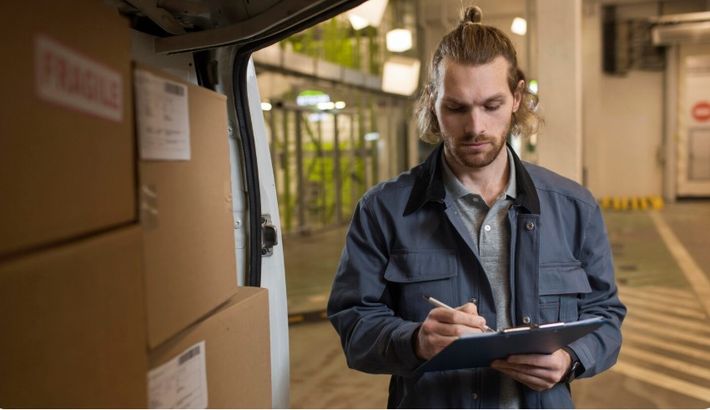
A consistent approach allows businesses to independently control each logistics operation according to seasonal volume spikes, product line changes, and consumer markets. Diversifying service models ensures that businesses can control operations even during peak holiday seasons.
Choosing the right carrier allows you to optimize your order workflows based on the size of the package and its destination. For example, a company can send light orders through postal lines, using the network’s commercial cargo to replenish warehouse stocks. Multiple carrier services (UPS, FedEx, USPS) can help businesses optimize resources and balance costs during seasonal loads. In addition, this approach may reduce unexpected organizational delays.
When Should Your Business Use Ground Shipping?
Before choosing ground shipping, you need to conduct a thorough assessment of your company. For brands that sell larger but parcel-eligible products (e.g., home decor, fitness equipment), this method is one of the best choices. It will be more difficult to transport oversized boxes by air or other means, which will also affect profitability.
By opting for overland transport as a standard option, you can accurately calculate all costs. Thus, your business will provide better conditions for the customer, which may improve loyalty from the audience and support sales.
In addition, the ground shipping model is a good option for a business that wants to offer customers flexible delivery options without compromising its profits. Buyers often complain about the high cost, which causes abandoned carts right before the purchase.
Implementing this approach solves the problem. The brand can better plan daily service costs, turning this tool into an additional factor that attracts customers. This approach is especially popular when your fulfillment hubs are located near major cities. For this strategy to really work, you need to consider five important indicators:
- High average package weight. If your main product line includes heavy goods, ground delivery can be a suitable solution. In other cases, extra penalties are possible.
- Flexible arrival windows for customers. Customers appreciate the opportunity to save on delivery. That is why a 2–5 day transit window does not cause them much trouble or dissatisfaction.
- Non-perishable product lines. Products that do not spoil over a long period are suitable for this method. Otherwise, this can lead to unacceptable consequences.
- Strategic warehouse locations. If fulfillment centers are located near major highways, this allows trucks to quickly reach regional hubs.
- High order volumes to residential delivery areas. Road transport is a good option when you need to manage a large number of daily deliveries in populated areas.
If the presented operating models are established in the business, ground shipping is the best choice as a primary delivery option. Such a model provides a reliable and predictable system. This is exactly the approach growing online brands need to smoothly manage large volumes of orders throughout the year.
Ground shipping also protects the business from sudden capacity shortages and price increases. If you know what is ground advantage shipping, you will be able to plan a strategy for long-term enterprise growth with minimal risks.
How Meest Optimizes Your Ground Shipping Strategy?
Managing a company's daily logistics on your own can quickly become a major expense for a growing business. That’s why it’s worth turning to a professional logistics provider like Meest. Such partners eliminate operational complications and help optimize costs for domestic or international deliveries. Modern logistics management tools ensure that parcels move quickly and affordably through the supply chain without delays.
In addition, a logistics provider helps businesses manage tariffs. Cost planning is handled by specialists, and an integrated system consolidates parcel volumes to provide competitive rates across the delivery network. This model allows growing brands to access digital tools through a simple and streamlined interface.
In addition to standard terminal transport, brands can take ground advantage of critical last-mile delivery options. An end-to-end tracking system gives both the internal team and the customer better visibility of the parcel’s path, reducing the need to send support requests and building brand loyalty. Delegating logistics tasks reduces the burden on internal resources, allowing the brand team to fully focus on production processes and optimizing marketing campaigns.
Conclusion: Make Ground Shipping Your Competitive Edge
Ground delivery is an important tool for a business that plans to grow. Understanding ground-based logistics opens up long-term cost savings and supply chain predictability. By choosing the services of proven carriers according to a specific product profile, you can effectively manage delivery times. Such an approach reduces delays, allowing the customer to receive their order on time.
Express delivery always has a place in emergency situations. At the same time, a well-optimized delivery structure ensures accessibility for buyers and increases loyalty on their part. A reliable transport model allows you to keep order costs low over the long term.
You don’t need to build and optimize the transport infrastructure yourself. There are reliable logistics services like Meest for this. The shipping network provides access to order-tracking tools and helps you avoid unforeseen costs.
Specialists handle important distribution details so the business can focus on more important tasks. In summary, ground shipping has become an integral part of the development of small and medium-sized businesses, allowing you to reduce costs and gain a loyal audience without unnecessary risks.
To share
Our news

Meest and Self Reliance Financial Federal Credit Union (SRFFCU) Announce New Partnership
Together, we are creating more opportunities for the Ukrainian community in the United States
Important Customs Requirements Update for Shipments to Armenia
We recommend reviewing these requirements before creating your shipment to help avoid possible delays.
What Is a Bill of Lading, and Why Do You Need It?
A bill of lading is one of the central shipping records used in cargo transportation.

What Is a Packing List for Shipping and How to Prepare One?
A clear packing list makes it easier for all parties involved to understand what they are transporting.
What Is Freight Forwarding, and How Does It Work?
The exact setup depends on many factors we’ll cover.
Fulfillment Center vs. Warehouse: What’s the Difference?
The right choice depends on several factors we will discuss in more detail.
How Much Does It Cost to Ship a Car Overseas From the USA?
This process is rarely priced with one flat fee.



 Domestic