


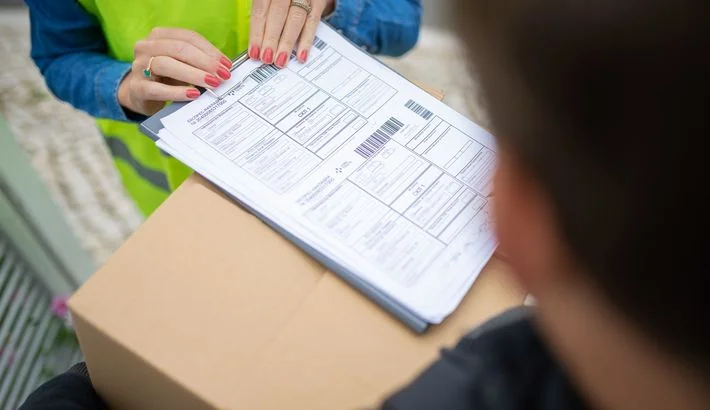
When Do You Need a Certificate of Origin for International Shipping?


 To share
International shipping often involves more documentation than domestic shipping. One of the reasons why it is so is the documentation that you need to collect and fill in correctly to pass customs clearance.
Even if you send parcels cross-border regularly, you may have never needed a Certificate of Origin before. Why? Not all packages will need it when going through customs. But you may need it in the future (especially when claiming for preferential tariff, following the destination country regulations, or responding to buyer requests). There are different bodies that require it, including customs authorities and importers.
What Is a Certificate of Origin?
In simple terms, a Certificate of Origin is an official document that states the jurisdiction where the shipped goods have been manufactured. It is often requested by the customs to:
- determine applicable duties;
- assess eligibility for trade benefits;
- verify compliance with trade restrictions.
Does it mean that the country of manufacture and shipping should be the same? No, they do not have to coincide. It is possible that goods are produced in one country but shipped from another. This is one of the main reasons why this document is so important. It helps to verify the place of production of items and avoid confusion.
What Determines Certificate of Origin Requirements?
When is a Certificate of Origin required? It is necessary in several cases that we have overviewed below.
Sometimes, it is required for the customs clearance for the goods to be allowed to enter the destination country. In some countries, authorities demand documentation for all imports, while others need it only for specific categories of goods. Those jurisdictions that make it mandatory for every import often follow a strict trade compliance framework. Those who are more flexible on this matter are driven by a risk-based approach.
Items such as textiles, agricultural products, chemicals, and machinery often require origin verification. They are subject to quotas, safety standards, or environmental restrictions. This document then helps to prevent fraud, dumping, or the import of unsafe products.
Even if you are not shipping any air or ocean freight from obligatory categories, importer requests can raise a need to provide confirmation of the country of manufacture. Buyers may insist on this to align with their internal compliance systems or to satisfy downstream regulatory obligations. It often happens in pharmaceuticals and food supply chains.
Finally, trade agreements are a major determinant. This certificate can help demonstrate your eligibility for preferential tariff treatment. If it is not available, importers may lose the advantage of lower tariffs.
What Are the Types of Certificates of Origin?
Certificates of Origin fall into two main categories. It is worth knowing clearly the differences between them before applying for this document to receive the one that you actually need.
Non-Preferential Certificate of Origin
When sea or air freight cannot have reduced tariffs under trade agreements applied, a non-preferential origin type is used. So, its main purpose is to prove the country of manufacture and ensure that your cargo complies with all the regulations. This type is often enough for successful customs clearance. They apply standard tariffs, enforce quotas, or restrict imports of certain goods.
For example, if an international shipping of textiles is being exported from India to a country that has no trade agreement, then a non-preferential type is needed. It verifies the production of the goods in India. However, it is still useful, as it helps customs apply the correct duties and ensures compliance with local regulations. In addition to textiles, sensitive goods such as chemicals, agricultural products, and machinery often require a non-preferential Certificate of Origin.
It helps to avoid misrepresentation. Exporters simply cannot falsely claim the country of manufacture to gain unfair advantages when the true origin can be verified with this document.
Preferential Certificate of Origin
A preferential type is issued when goods can be imported with reduced tariffs according to a free trade agreement (FTA). This is very useful for businesses, as it can save importers and exporters a lot of money. This document confirms that the goods comply with the rules of origin set out in the agreement. As a result, reduced or even zero tariffs become available to exporters.
Still, not all trade deals require this document. Certificate of Origin can, in some cases, be substituted by exporters with a declaration of origin (statements that can be found in the commercial invoice or other shipping documents). It simplifies the process significantly, but the possibility of using a declaration depends on the specific terms of the trade agreement.
What Information Is Required on a Certificate of Origin?
Usually, a document has several important details that would allow customs to confirm the validity of the shipment. The genuine document has to include:
- Exporter and importer details, such as names, addresses, and contact information of both parties.
- Product description with clear identification of the goods. For easier classification, it should contain HS codes.
- The country where items have been produced.
- Shipment information (e.g., weight, quantity, packaging, and transport method).
- Authorized signature and stamp that proves the authenticity.
The specific Certificate of Origin requirements may vary slightly depending on the country to which the goods are imported. Another factor in the information provided is whether it is preferential or non-preferential. Finally, some jurisdictions may require additional supporting documentation (e.g., invoices or production records) to support verification of origin.
How to Get a Certificate of Origin for International Shipping
Now that you know the answer to the question “What is a Certificate of Origin?”, the next step is to understand how to obtain one. It is a fairly straightforward process that consists of several clear steps. You can find all the main actions that are required of you below. However, before we move to these steps, verify that you have read the customs regulations of the destination country. First, make sure that your cargo will not be imported without a Certificate of Origin. If yes, do the following:
- Collect all the documents that can help you to confirm the country of manufacture of the products (e.g., invoices and production records).
- Fill in the form with all the requested details.
- Submit all the collected documents and the form to the Chamber of Commerce for validation.
- Make sure all entries are checked and that the certificate matches the shipment details before sending.
Note that this process requires concentration and attention, as every detail matters. Even minor errors in documentation can lead to rejections or penalties. So, it is important to review everything without rushing and confirm the accuracy of all the information and all the documentation that you provide. Do this before the official request submission.
Who Issues a Certificate of Origin?
The Chamber of Commerce is traditionally the main authority to issue this document. They validate the exporter’s claims and provide an official stamp or signature.
Does it always have this official body who issues Certificate of Origin? No. It can be provided directly by the exporter, producer, or importer under certain free trade agreements. This self-certification option reduces administrative burdens. However, it requires strict adherence to the rules of origin to avoid penalties.
Conclusions
A Certificate of Origin is an important document that provides transparency and compliance in international trade. Sometimes it is not necessary, but there are instances when it is a must. It is required when customs authorities or importers request proof of where the goods were manufactured.
You should certainly study this guide attentively if the country of manufacture and shipping do not coincide. It would serve as verification and help you to avoid misinterpretations at customs.
Knowing when and how to get a certificate helps exporters to avoid costly delays and disputes. And they can avoid surprise import duties or pay lower tariffs. The process that you need to go through to obtain it is quite straightforward. In most cases, it is issued by the Chamber of Commerce. However, self-certification is also an option (in very limited cases, though).
Now that you know all the key aspects of the country of origin certificate, you can apply for it. Note that accuracy is significant, so double-check everything, as careful preparation and accurate documentation protect your business and ensure smoother customs clearance.
To share
Our news

Ukrainian Angel Tree 2026: Become Santa for a Day
Join us in making Christmas wishes come true with the Voices of Children Foundation and Meest!
What Does an Estimated Delivery Date Really Tell You?
We would like to focus on the most vague one — the estimated delivery date.

How WISMO Affects E-Commerce and What Businesses Can Do About It
Let's explore this together.
Why Accessorial Charges Can Increase Your Freight Shipping Costs
Preparation and transparency are the best ways to manage accessorial charges.



How to Ship Golf Clubs Without Damage or Extra Costs
Learn how much shipping may cost and how to transport your clubs over long distances.
How Freight Class Affects Your Shipment and Shipping Costs
We have created this comprehensive guide that explains LTL shipping.



 Domestic