


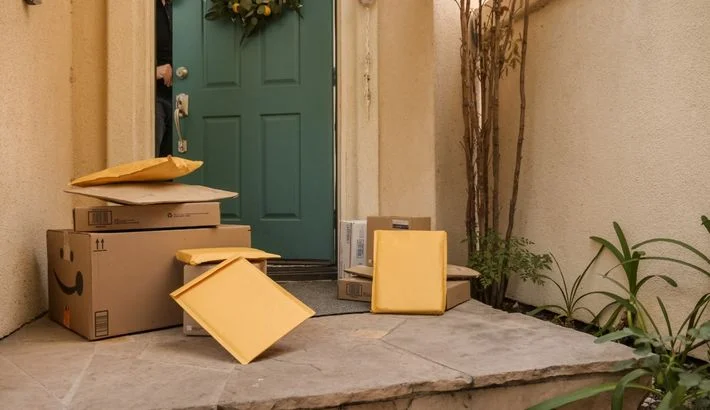
What Is PWE Shipping?


 To share
Sometimes sending an item by mail is more complicated than it seems. A box, packaging material, and a premium rate — but inside is just a thin postcard or a couple of cards. Paying for a full parcel in this situation isn't desirable, and it's not always necessary.
For these types of situations, there's a simpler and more cost-effective shipping method that not all shippers know about. It can make international parcel shipping more affordable while saving both money and time on packaging, but it isn't suitable for all items.
In some cases, this is an interesting and effective method. But you should know what you'll send this way and when it's worth choosing a more reliable alternative — parcel delivery with full protection and tracking.
What Does PWE Mean in Shipping?
The abbreviation stands for Plain White Envelope, or a standard white envelope. The simplest answer to the question "What does PWE mean in shipping?" is the following: sending thin, flat, and lightweight items in a standard envelope, rather than a box or bag.
Want to understand what is PWE shipping? Just imagine letter mail passing through the postal system like regular mail, without being packaged. The envelope remains a plain white envelope: no padding, no rigid protection, just a minimal layer to protect the contents.
This setup is perfect for trading cards, documents, stickers, and other thin stuff. Everything fits right into a regular envelope, so you don't need fancy packaging or high shipping fees. It's super handy when you just want to mail something small fast — no wasting time with boxes. Just drop it in the envelope, slap on a stamp, and you're good to go!
It's best not to send valuable, fragile, bulky, or excessively thick items by mail. The risk of damage or loss is much higher, and the potential losses will certainly outweigh the savings. It's better to package such items as a full-size parcel with additional protection.
How to Pack and Send Items Using PWE Shipping
There's a bit of attention to detail in getting a shipment ready in a plain white envelope. This is because an envelope does not protect the contents as well as a box does. Here are a few simple ways to keep your item safe and avoid shipping problems:
-
Protect the item with a thin sleeve or paper.
-
Secure the contents to prevent movement.
-
Keep the envelope flat and free of any bulges.
-
Address the recipient neatly and legibly.
-
Seal the envelope securely around all edges.
-
Apply the correct postage label according to the weight.
When the envelope is ready, measure its thickness and weight. If the size is bigger than normal mail, then the item may be treated as a parcel, and you may be charged extra. Going this route may also offset any savings if you add too much protective material inside.
Pay special attention to the envelope itself: it should be sturdy enough to prevent tearing in transit but not add unnecessary bulk. A quick check before sending saves you time and money — repackaging after a postal rejection is much more unpleasant.
PWE Shipping vs. Package Shipping: Which Is Better?
It depends on what you're sending — an envelope or a parcel. A PWE is almost perfect if the item is small. It should be light, flat, and inexpensive. Your primary goal should be to reduce shipping costs.
However, as soon as you need more serious protection, tracking, or insurance, consider package shipping. Tracking options for regular mail are often limited and depend on the specific postal service — in some cases, it's impossible to track the envelope at all.
If your shipment requires secure packaging within the country, consider domestic package shipping, which Meest offers. The company handles both domestic and international routes. You can track each parcel online via the website or mobile app, and the entire process — from payment to delivery — remains transparent for the sender.
When you ship an item internationally, Meest has a solution for that too. The coverage includes almost 170 countries with all items protected at each point of their trip. In the following cases, choosing package shipping is typically the most smart move:
-
shipping fragile or bulky items;
-
real-time tracking is essential;
-
the item is high-value;
-
additional cargo insurance is required;
-
the package is traveling internationally.
And you can track your package so it doesn't get lost along the way. Honestly, it's just peace of mind rather than saving a buck. Regular envelopes are cheap but risky; tracked shipping costs a little more to make sure your stuff actually arrives safe.
Conclusion
PWE shipping is a convenient and cost-effective option for small, lightweight, and inexpensive items like documents or trading cards. It's an easy way to save money when the item is appropriate in size, weight, and value. However, for more serious protection, fragility, or the need for tracking, it's wiser to choose a fully packaged parcel.
Before shipping, it's important to honestly assess what's in the envelope: if you have any doubts about even one aspect — the weight, thickness, or value of the item — it's better to play it safe and choose a more reliable delivery method.
Meest's services are a trusted solution for these cases. This is even more essential when it comes to international parcel shipping because when your parcel is overseas, every detail matters — from packaging to proof of delivery. It will not just pack it but also track and deliver the crate everywhere to hundreds of destinations. This removes unnecessary risk for the sender. It also provides confidence in the safety of the package, whatever the route.
To share
Our news
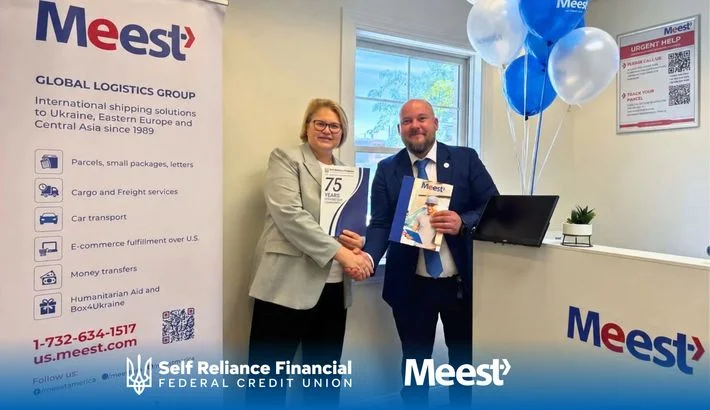
Meest and Self Reliance Financial Federal Credit Union (SRFFCU) Announce New Partnership
Together, we are creating more opportunities for the Ukrainian community in the United States
Important Customs Requirements Update for Shipments to Armenia
We recommend reviewing these requirements before creating your shipment to help avoid possible delays.
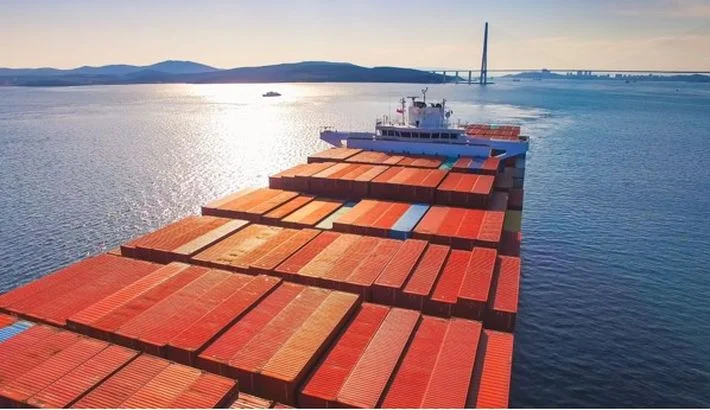
What Is a Bill of Lading, and Why Do You Need It?
A bill of lading is one of the central shipping records used in cargo transportation.
What Is a Packing List for Shipping and How to Prepare One?
A clear packing list makes it easier for all parties involved to understand what they are transporting.
What Is Freight Forwarding, and How Does It Work?
The exact setup depends on many factors we’ll cover.
Fulfillment Center vs. Warehouse: What’s the Difference?
The right choice depends on several factors we will discuss in more detail.
How Much Does It Cost to Ship a Car Overseas From the USA?
This process is rarely priced with one flat fee.
What Are Shipping Zones, and How Do They Affect Shipping Costs?
Let's explore this together.



 Domestic