


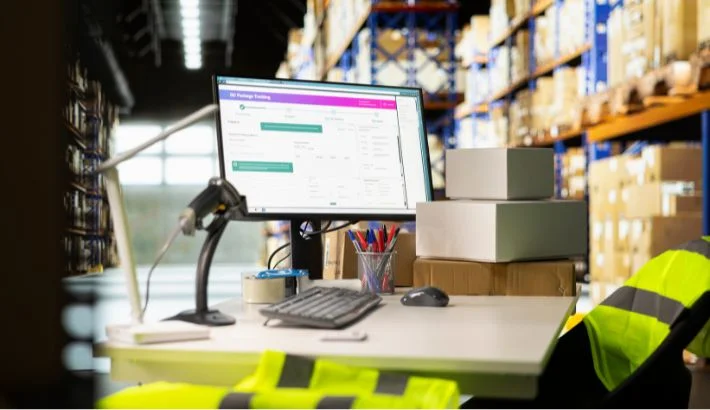
What is Freight Shipping?


 To share
If you are new to shipping or have arranged deliveries a couple of times, you have probably noticed that a carrier offers a freight option. It is often confused with international parcel shipping, but these types of services have fundamental differences.
So what is freight shipping? It is the transfer of a large quantity of goods that cannot be sent as a simple parcel. It means that items are stacked on a pallet, loaded into a truck, or sent by any other form of transport, including rail, water, or air.
This kind of delivery requires special carriers, equipment, and logistics planning. It is mostly designed for businesses, not individual customers. Why? It is used for moving large quantities of cargo, and it is only cost-effective if you need to ship hundreds or thousands of pounds. This type of transportation ensures that raw products reach factories, finished goods get to distributors, and inventory arrives at retailers without a problem.
Knowing the ins and outs of this kind of delivery can help companies plan and make sure that they get the service they need. Customers often ask questions like, “What are my options?”, “How to calculate freight shipping costs, including surcharges?”, or “What’s the right way for my business?” Our guide goes into detail on these topics. We also talk about when to use LTL or FTL, how to find the right carrier, and how providers like Meest can help take the stress out of shipping.
The Fundamental Difference: Freight vs. Parcel Shipping
When a business prepares a shipment, one of the most important decisions is whether it qualifies as parcel or freight. This choice determines how the entire process will look, as it impacts:
- the method of transportation;
- the type of carrier involved;
- the price charged;
- the way the goods are prepared for delivery.
You can find the key differences between the two options below. Knowing them helps you to make the right decision.
Size and Weight
Parcel shipping is suitable for small items, typically under 150 pounds, that can be easily handled by courier services. Freight shipping is better for larger loads or smaller ones in larger quantities. Goods are either stacked on a pallet or fill a whole truckload, with a total weight in the hundreds or even thousands of pounds.
Transportation Method
Parcels are normally transported by postal or courier services. These companies organize fast, adaptable delivery of small packages. They are typically delivered by van or small truck. However, the freight moves through specific means like semi-trailers, rail cars, cargo ships, or airplanes. The shipping mode is decided on the basis of urgency, distance, and budget.
Pricing Structure
Parcel shipping has a simpler pricing structure. Charges are based on weight, dimensions, and service speed. Freight transportation is more complex, with charges based on total weight, cubic volume, distance, and other factors (e.g., whether the shipment is LTL or FTL when you choose trucking). Additional fees may apply. They include fuel surcharges, liftgate service, or residential delivery. Freight class, declared value, and accessorial services can also change the final quote.
Preparation and Handling
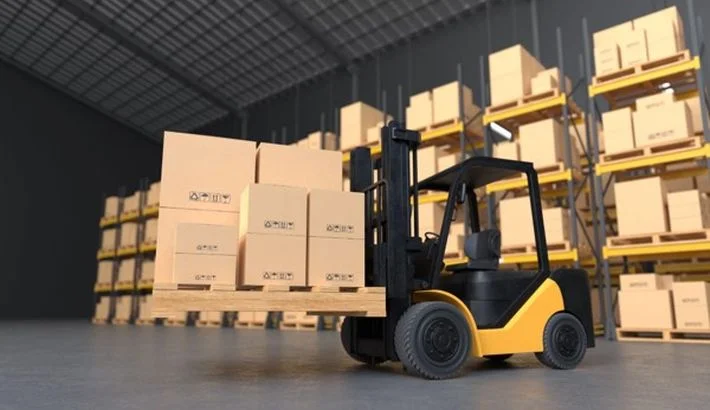
Preparing a parcel is straightforward. All you need is a box, a label, and a drop‑off point. So, it is fairly easy to have your package ready for dispatch. Freight shipping is a more complex process that requires more extensive planning. Cartons must be stacked on a pallet, shrink‑wrapped, and sometimes loaded with forklifts or dock equipment. Given these nuances, freight demands planning, equipment, and attention to detail.
What are the types of carriers?
Courier and logistics companies are experts in parcel delivery, with streamlined processes to make it easier for their customers. Freight providers specialize in freight transportation, truckload, LTL, or international shipping. Another key difference is service windows. Couriers deliver to residences on a daily basis, while freight carriers supply bulk goods to businesses.
The Main Types of Freight Transportation
This kind of transportation is not a one-size-fits-all solution. Every such order is unique and has its own set of requirements. The way it will look depends on the weight, urgency, destination, and which kind of products are shipped. Given the complexity of the process, choosing the right mode of transport is key. It directly impacts the cost, time in transit, and how long does freight shipping take. There are four main modes to consider:
- truck;
- rail;
- ocean;
- air.
They serve different purposes. Here are the strengths and weaknesses of each of them.
Truck Transportation: Regional Delivery Flexibility
Truck transportation is the most common type. This option can accommodate everything from small LTL shipments to full truckloads. So, it is ideal for regional or cross-country routes, offering door-to-door delivery, connecting warehouses, factories, and retail outlets. A carrier can pick up cargo directly from the loading dock, transport it across highways, and deliver it to the final destination without transfers. However, trucking costs vary with fuel prices, distance, and weight.
Rail Transportation: Efficient for Heavy Loads
Whenever you need to transport bulk commodities over long distances, the rail option works best. It is often preferred by many businesses with large shipments such as raw materials, construction supplies, or agricultural products. It has lower costs per ton than trucking when the weight is high, and speed is less important.
But railways have their limitations, one of which is accessibility. Not every company has direct connections, and loads often need to be transferred from train to truck for final delivery.
Sea Freight: The Most Economical Way to Ship Internationally
It is usually one of the best ways to ship goods internationally, as it is the most cost-effective option for large shipments. The process often looks like this:
- items are usually loaded into containers;
- they are stacked on vessels;
- then, they are transported by truck or rail to their final destinations.
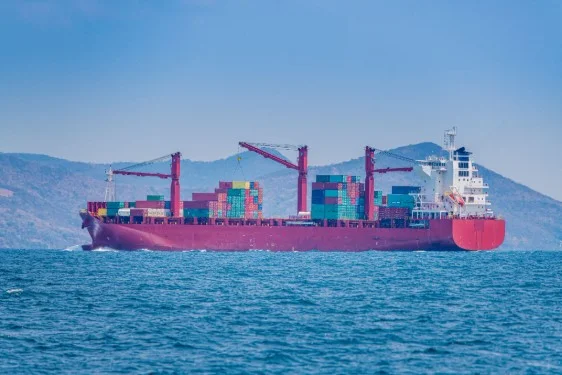
Cargo ships carry thousands of containers filled with consumer products, electronics, clothing, industrial machinery, etc.
Despite all the advantages, it has one obvious drawback. It is time. This transportation can take weeks to cross the ocean, and schedules can be disrupted by port congestion or weather. However, such a delivery offers clear cost advantages for companies importing or exporting bulk items.
Air Freight: Fast but Expensive
This kind of delivery is the fastest. It is used when the speed is critical. High-value products, urgent medical supplies, or seasonal items are often transported by air. Transit times are measured in hours or days rather than weeks. The downside is cost, as it is much more expensive than delivery by sea or rail, and the charges are based on weight and volume.
So, the company must weigh the benefits of speed against the higher price. Often, it is a good option for small urgent items. It is rarely economical for bulk shipments.
A Deep Dive into Trucking: LTL vs. FTL
Among all the modes, trucking is the most frequent choice for goods that can be transported on the ground. This kind of service provides the flexibility businesses need. When you opt for trucking, there are two main options available — LTL and FTL.
LTL Shipping: Share the Space, Share the Cost
LTL stands for Less Than Truckload. It’s for shipments that don’t fill a whole truck. You only pay for the space your package occupies, rather than the entire vehicle. This makes LTL a cost-effective option for smaller loads, especially when weight or volume is limited.
The biggest benefit of Less Than Truckload shipping is efficiency. For example, a company that needs to ship two pallets of electronics doesn’t want to pay for the unused space in a full truckload. How much does freight shipping cost when LTL is used? The price depends on weight, dimensions, and distance. Additional fees for handling or special services are included in the final charge.
The disadvantages are longer transit times, as the carrier has to make several stops to collect and drop off different shipments, and the shipment may be handled more often, which increases the risk of minor damage.
FTL Shipping: Loading Bigger Shipments on Trucks
FTL, or Full Truckload, is a shipping method that uses the entire truckload for one shipment. This option is practical when the company has enough products to fill the trailer, or when the cargo is delicate and requires minimal handling. In FTL, the carrier picks up the load, transports it directly to the destination, and drops it off without any stops in between.
Speed and security are the main advantages. Transit times are shorter as the truck goes directly from A to B. Handling is reduced, thus protecting fragile items like furniture or glassware. Yet, the cost is higher than LTL. However, for large shipments, the per‑unit price may actually be lower. Businesses often choose FTL when deadlines are tight or when the items are high‑value.
The Freight Shipping Process: A Step-by-Step Journey
Freight shipping sounds complicated, and it often is for businesses that try it for the first time. However, all difficulties and challenges can be easily reduced when you know how the process is done, step by step.
Preparing Items on a Pallet
Shipping begins with preparation. Unlike a simple parcel, this type of load requires consolidation. Products should be:
- packed securely;
- stacked on a pallet;
- wrapped to prevent shifting during transit.
Those are the first steps to take, as proper preparation protects the shipment from damage and helps the carrier deliver it intact. Mark fragile or high-value pallets clearly before wrapping when needed. Weight and dimension measurements are also very important at this stage. They should be completely precise because inaccurate data often leads to unexpected carrier re-weighing fees.
Booking with a Carrier or Company
Once the goods are ready, the next step is booking. Pick a freight carrier and mode. The booking process asks for information about the items, such as weight, dimensions, and any special handling needs. Be as accurate as you can to help avoid re-billing and delays.
Pickup
Once booked, the carrier will make arrangements for pickup. The truck will pick up the shipment from the warehouse or distribution centre. Depending on the option you choose, the load may be consolidated with other shipments (LTL) or fill the trailer (FTL). Timely pickup moves the goods into the logistics network.
Transit by Mode of Transportation
The shipment is then moved using the chosen mode of transportation. Domestic routes are usually completed by truck. For long-distance or international delivery, cargo may be transferred to rail, ocean, or air.
Delivery to Destination
Transit ends with delivery by the carrier. It takes coordination to get the products there safely and on time. Companies will often monitor this stage closely, as delays could cause disruptions to the supply chain.
Billing and Pricing
Billing is the last step. The final cost depends on the weight, distance, type of service, and possible extra charges. However, additional expenses can impact the price as well. The most common among them are fuel surcharges, or extra handling fees may be added.
Practical Tips
Small checks at this stage can prevent extra fees, delays, and damage. To ensure delivery is cost-effective and without major issues, businesses should:
- measure weight and dimensions accurately;
- use strong pallets and secure packaging;
- communicate clearly with the carrier;
- actively track shipments.
When you follow these steps, you can reduce errors and prevent damage. Furthermore, good communication matters. It ensures that a carrier knows what the specific needs are and can meet them.
When Does Your Business Need to Use Freight Shipping?
The decision of when to switch depends on factors such as shipment volume, product weight, and the effectiveness of your current delivery methods. You can find the most common signs of the shift to freight below.
When Your Business Outgrows Parcel Shipping
Parcel shipping works well for small items and direct‑to‑consumer orders. However, as soon as packages exceed courier limits or become too numerous, the price of sending them individually rises sharply.
A business that regularly ships dozens of boxes may find that consolidating them on a pallet and moving them as freight is far more economical. When the business grows, and order volume rises, freight shipping becomes a must. It reduces handling, simplifies tracking, and lowers overall transport expenses.
When You Need to Boost Efficiency
With surging demand, consolidation is the better choice. It allows companies to create one truckload or partial load instead of sending out a few packages. This approach can reduce the cost per unit, as well as streamline logistics. For example, an online clothing retailer that ships hundreds of items every week can stack cartons onto pallets and use an LTL service, which will save money and provide reliable transportation.
When You Need to Ship Heavy or Bulky Products
Some products just can’t be shipped as parcels. Furniture, machinery, or industrial supplies exceed courier weight and size limits. These items require freight services, whether through truck, rail, ocean, or air. Besides the size and weight limitations, this option has other clear benefits for bulky shipments. Freight carriers are equipped to handle oversized loads safely, using specialized equipment and secure methods of transport.
When You Scale Business Operations
When a company grows, the logistics of sending individual packages become inefficient. With freight, teams can negotiate more competitive rates, keep better track of their inventory, and work with specialized providers for international shipping.
How Meest Simplifies Your Transition to Freight
Moving from regular parcel services to freight can feel complicated. These are different methods that have complex cost structures. Moreover, there may be a constant need to coordinate with specialized carriers, which often overwhelms businesses.
Meest simplifies the transition with a dedicated platform that makes this process simple, transparent, and reliable. Our solution is directly integrated with e‑commerce systems, so large orders automatically turn into freight bookings. For international transportation, we also provide assistance with customs forms and offer competitive commercial rates. When you choose Meest, you get:
- transparent cost calculation, including surcharges;
- e‑commerce workflow support;
- customs guidance;
- commercial rates;
- flexible options for LTL and other cargo needs;
- reliable carriers and timely delivery.
We simplify this type of transportation, helping companies scale operations while controlling costs and ensuring dependable service. Businesses that work with us gain confidence knowing their items are managed from pickup to final destination.
Conclusion
Modern businesses often need consolidated delivery to manage large orders efficiently. It allows you to get safe, streamlined, and affordable shipping of bulky products and goods in big quantities. As it can move by truck, train, sea, and air, companies have enough flexibility to find the best solution for their needs. After reading this article, you will no longer be confused about how does freight shipping work, why to use it, and how to calculate costs. All you need is to analyze your business needs and decide which mode is the most suitable for your case. If you already know the right method for you, contact Meest-America for a smooth transition from parcel to freight shipping. With us, this complex service can become manageable and even effortless with time!
To share
Our news


Meest and Self Reliance Financial Federal Credit Union (SRFFCU) Announce New Partnership
Together, we are creating more opportunities for the Ukrainian community in the United States
Important Customs Requirements Update for Shipments to Armenia
We recommend reviewing these requirements before creating your shipment to help avoid possible delays.
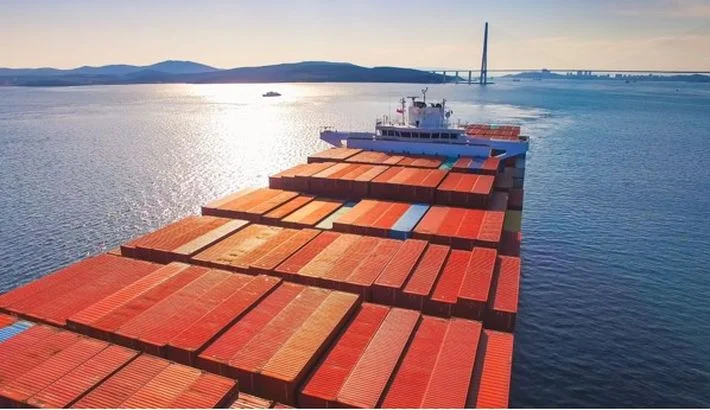
What Is a Bill of Lading, and Why Do You Need It?
A bill of lading is one of the central shipping records used in cargo transportation.

What Is a Packing List for Shipping and How to Prepare One?
A clear packing list makes it easier for all parties involved to understand what they are transporting.
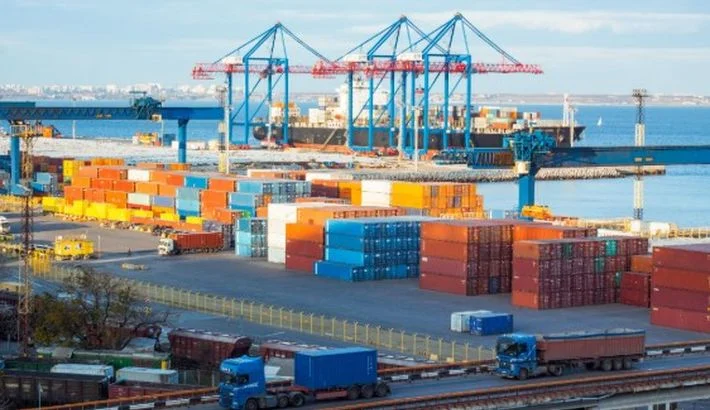
What Is Freight Forwarding, and How Does It Work?
The exact setup depends on many factors we’ll cover.
Fulfillment Center vs. Warehouse: What’s the Difference?
The right choice depends on several factors we will discuss in more detail.
How Much Does It Cost to Ship a Car Overseas From the USA?
This process is rarely priced with one flat fee.



 Domestic