


What Is a Bill of Lading, and Why Do You Need It?


 To share
If you are sending commercial cargo, you may see several documents before the goods even leave the warehouse. One of the most important is the bill of lading. It identifies the consignment, records key transport details, and shows who is responsible for receiving it.
For customers arranging ocean freight shipping, this document links the physical shipment to the terms of transportation. It is also commonly used in situations where forwarding services coordinate multiple parties, routes, or consolidated loads.
Does a logistics provider prepare the B/L for you? It is beneficial to understand it anyway. A quick review can help you spot incorrect names, package counts, destinations, or cargo descriptions — before those mistakes cause delays.
What Is a Bill of Lading, and What Is It Used For?
The simplest bill of lading definition is a transport document issued by a carrier or by another authorized party in the shipping chain after the goods are received for transportation. It shows what was accepted, where it is going, and who is involved in the move.
If you are wondering, “What is a bill of lading?” think of it as one shipping record with several jobs. It can confirm receipt of the goods, provide evidence of the contract of carriage, and sometimes act as a document of title — depending on the B/L type and the shipment terms.
The confirmation function is practical for the shipper because it shows that the transport provider accepted the cargo as described. As such, it acts as a carrier receipt and can also provide proof of shipment.
Its second function is to show evidence of the transportation agreement. The bill of lading normally contains important shipment terms: the route, parties, cargo description, and instructions that apply to the move.
The third function applies only to certain B/Ls. When negotiable, possession and proper endorsement may control the right to claim the goods, which is why its role as a document of title matters in some commercial transactions.
The shipper reviews the entered data, the carrier or authorized issuer creates the B/L, and the consignee may need it once the cargo arrives. In forwarding arrangements, the provider can also help coordinate the information used across bookings and related records.
For regular customers, the key point behind the bill of lading meaning is simple: the B/L links the cargo, the people involved, and the agreed transport process.
What Information Does a Bill of Lading Contain?
The document contains information to identify the shipment and support its transportation from origin to destination. Key categories customers will see are as follows:
- parties involved — names and addresses for the shipper and consignee, and sometimes a notify party or additional contact used at the delivery point;
- cargo description — clear cargo details, such as type of goods, package count, weight, marks, and other identifying particulars;
- origin and destination — place of pickup or receipt, loading location, port of discharge, and final delivery point where applicable;
- shipment references — booking IDs, B/L numbers, container codes, purchase order details, or other identifiers used to connect records;
- transportation terms — routing, freight payment information, handling instructions, and agreed shipment terms shown on the document;
- issue details — the date, place of issue, and any data needed to identify the specific transport record.
All of the information above must match the physical cargo and other freight documentation identically. If the name of the consignee, number of packages or destination is wrong it could trigger further inspection or delays.
When Meest coordinates ocean freight shipping, customers should provide accurate shipment data and follow the document instructions supplied for their specific service and route. Requirements vary by cargo and destination. It is better to verify the details than assume the same format applies universally.
Before approval, compare the draft B/L with your booking confirmation and packing records. Pay special attention to spelling, container or package numbers, weights, and destination information. Fixing a discrepancy before departure is usually much easier than correcting the document after the cargo has reached another port.
Main Types of Bill of Lading
Not every B/L works in exactly the same way. The right form depends on how the goods are released, who receives them, and how the shipment is arranged. These differences matter because each type is designed for a specific shipping arrangement and set of delivery requirements.
Original, Straight, and Order Bill of Lading
An original bill of lading is the formal version issued by the carrier or another authorized party. It may need to be presented or properly surrendered before the cargo can be released. The exact requirement depends on the applicable method and terms.
A straight bill of lading identifies a specific consignee and is generally non-negotiable. It is commonly used when the goods are intended for a named receiver and are not meant to change hands.
An order B/L is different because it can be made “to order” and may be transferred through endorsement. This feature is important in transactions where control of the goods may change while the shipment is moving.
For a customer, these differences affect more than document wording. They can determine how the consignee receives the cargo and which paperwork must be available at the destination.
House Bill of Lading vs. Master Bill of Lading
When a forwarder organizes a consolidated shipment, two levels of transport records may be involved. The provider typically issues the house bill of lading to its customer. The document reflects the carriage arrangement between those two parties.
The ocean carrier issues a master B/L for the forwarder booking. The document covers the primary sea transport. It may also include consignments from several customers combined into a single larger load.
This distinction is useful when freight forwarding services combine cargo from multiple shippers. The house document identifies the individual customer movement. The master B/L relates to the booking made with the ocean carrier.
The details across both records need to remain aligned where they refer to the same movement. Inconsistent package counts, ports, or descriptions can complicate cargo handling and document checks.
Electronic Bill of Lading and Telex Release
An electronic bill of lading is a digital form of the B/L rather than a separate transport concept. When the required legal and operational framework supports it, the document can be issued and managed electronically instead of relying only on paper originals.
A telex release is different. It is a procedure that allows the consignee to collect the goods at the destination without presenting the physical original bill of lading, usually after the required original B/L has been surrendered at the departure point.
For customers, this distinction matters because “electronic B/L” and “telex release” are not interchangeable terms. One describes the form of the document, while the other explains that the consignee can collect the cargo.
The available option depends on the consignment, carrier, route, and agreed process. Customers using ocean freight shipping should therefore confirm the cargo handover method prior to arrival.
If you are unsure which collection procedure applies, ask before the vessel departs. When you know whether the shipment uses an original B/L, sea waybill, electronic B/L, or telex release, you can avoid confusion once the consignee is ready to pick up the goods.
Bill of Lading vs. Sea Waybill and Other Shipping Documents
The most important comparison is bill of lading vs waybill because both can be used for ocean transport but do not perform exactly the same functions. A sea waybill records the shipment and contract of carriage but is generally non-negotiable and does not function as a document of title.
With a sea waybill, cargo is usually released to the named consignee after identity and other required checks — without presentation of an original negotiable B/L. This can simplify delivery when there is no need to transfer control of the goods through transport records.
If the commercial arrangement requires an original or negotiable document, the B/L may be preferable. A sea waybill can be practical when the seller and buyer already trust one another — and faster processing is more important than transferability.
Other records play different roles. A packing list describes how goods are organized inside the shipment. A commercial invoice shows transaction and value information. A shipping manifest is a summary of the cargo carried on a vessel or other transport movement.
These records may share names, quantities, weights, or references. But they do not replace each other. Good shipping document control means making sure the B/L, invoice, packing list, and manifest have consistent overlapping information.
Such consistency is particularly helpful if logistics providers handle customs support, consolidation, and final delivery. Clear freight documentation reduces unnecessary questions when several parties need to work from the same shipment data.
Conclusion
A bill of lading is one of the central shipping records used in cargo transportation. It can confirm receipt of the goods, provide evidence of the contract of carriage, and, in certain forms, act as a document of title.
For customers, the practical task is to check the details before the shipment moves. Names, addresses, package counts, cargo descriptions, destinations, references, and release instructions — they all should reflect the actual booking.
Different B/L types influence the control and delivery of goods. An original bill of lading, a straight bill of lading, a house bill of lading, and an electronic version may serve various needs even though they share a common basic role in moving products.
If an international route involves ocean freight shipping, correct paperwork keeps your cargo and transportation instructions aligned. When a forwarder coordinates the process, accurate information also makes communication between the shipper, carrier, and consignee easier from origin to final release.
To share
Our news
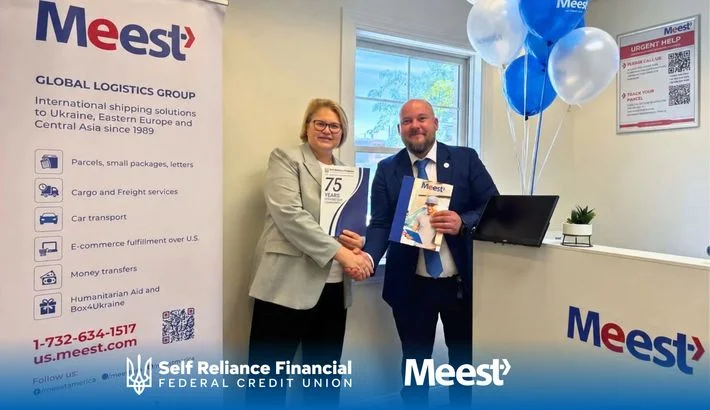
Meest and Self Reliance Financial Federal Credit Union (SRFFCU) Announce New Partnership
Together, we are creating more opportunities for the Ukrainian community in the United States
Important Customs Requirements Update for Shipments to Armenia
We recommend reviewing these requirements before creating your shipment to help avoid possible delays.

What Is a Packing List for Shipping and How to Prepare One?
A clear packing list makes it easier for all parties involved to understand what they are transporting.
What Is Freight Forwarding, and How Does It Work?
The exact setup depends on many factors we’ll cover.
Fulfillment Center vs. Warehouse: What’s the Difference?
The right choice depends on several factors we will discuss in more detail.
How Much Does It Cost to Ship a Car Overseas From the USA?
This process is rarely priced with one flat fee.

What Are Shipping Zones, and How Do They Affect Shipping Costs?
Let's explore this together.

What Does “Returned to Sender” Mean, and What Should You Do Next?
There’s typically a way to resolve the problem.



 Domestic