


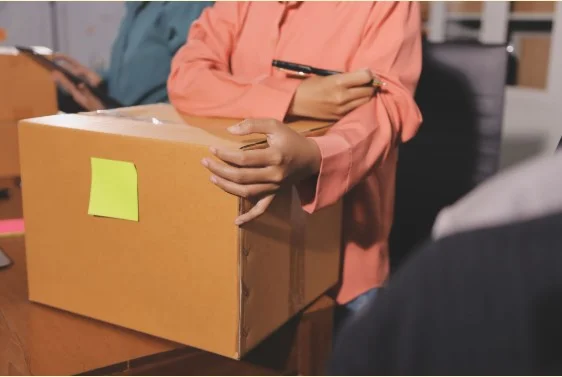
What Does “Returned to Sender” Mean, and What Should You Do Next?


 To share
You ordered a much-anticipated book, but it didn’t reach you. Or you sent a birthday gift to your friend; however, the recipient never got it. The tracking status shows “Returned to Sender” in both cases, and you’re probably feeling down. Seeing the return notice is undoubtedly frustrating. But this usually means the parcel has changed course — not disappeared. If you want to track your shipment, start with the latest scans and notes connected to the send-back process.
Such a situation can happen for several practical reasons, from address problems to customs or pickup issues. Knowing the causes helps you decide whether to contact the carrier, notify the recipient, or get ready to reship when the package comes back.
What Does “Returned to Sender” Mean, and Why Does It Happen?
If the worry is, “What does 'Returned to Sender' mean?” the status generally indicates that delivery is unsuccessful — and the parcel is now heading to the original shipper. Tracking may show variations such as “return initiated,” “return in progress,” or “returning to sender,” depending on the provider and stage of transit.
A package may be redirected to its shipper for several different circumstances. The cause usually reflects what happened during transit or the final stage. Here’s the list of main reasons:
- address problems — an incorrect delivery address, missing apartment number, wrong postal code, or incomplete recipient details can prevent successful handoff;
- missed pickup — an unclaimed package can be sent back after the holding period expires;
- customs problems — a customs clearance issue may arise because of missing paperwork, unclear declarations, prohibited contents, or other important requirements;
- delivery failure — a failed delivery attempt may lead to another try, local holding, or a send-back if the shipment still can’t make it to the receiver;
- unpaid charges — duties or taxes may need to be paid by the responsible party before release, depending on the destination and shipping terms;
- restricted or undeliverable items — goods that are prohibited, regulated, or unsuitable for transport may prevent the parcel from reaching the intended address;
- label damage — a torn, covered, or unreadable shipping tag can make the recipient information or routing code difficult to process;
- return requested by the sender — the shipper may request that the parcel be returned before delivery is completed.
You may discover the particular cause in the scan record. It can also be requested from the shipping provider. Is the message unclear? Keep the last status and reference details ready while looking for clarification.
What Happens When a Package Is Returned to Sender?
During a standard send-back process, the parcel moves via the delivery network toward the original shipper. You might still see scans along the way. But the updates may not be as fast as the box is moving between facilities and across borders.
There are circumstances when interception may still be realistic before the return is finalized. Several factors can affect it — the provider, the parcel’s location, how far it has traveled, and why it is being sent back. So, redirection is not guaranteed.
If you want to find out what happens when a package is returned to sender, the process usually ends when the parcel reaches the shipper or another authorized point. After receipt, the sender can inspect the box, confirm its condition, and decide whether reshipping, replacement, refund review, or other resolutions are appropriate.
For Meest parcels, check the latest shipment status through the official tracking tool. If a return scan is unclear or you want to know whether any action is still possible, you can contact Meest support with the reference details and relevant delivery information.
What to Do If Your Package Is Returned to Sender
A package returned to sender doesn’t typically need the same approach. A send-back notice is easier to handle when you follow a clear sequence instead of trying several solutions at once. Use the available records to identify the reason first:
- review the tracking history — read the latest events carefully and look for an address problem, customs note, unsuccessful delivery, pickup deadline, or another stated cause;
- verify recipient details — compare the full name, contact information, street, unit number, city, state or region, and postal code with the original booking;
- contact the provider — request clarification if the reason is vague and ask whether interception or redirection is still possible at the current stage;
- inform the sender or seller — let them know what the tracking shows because the person or business that arranged shipping may need to take the next step;
- keep your records — save the reference number, receipt, customs paperwork, payment proof, and correspondence until the matter is fully resolved.
These steps do not guarantee that a return can be stopped, but they help establish what happened and who needs to act. For a Meest shipment, review the tracking page first and use the company’s official support channels if more information is required.
If you’re wondering, “Why was my package returned to sender?" look beyond the final status and check the available details for a clearer explanation. The scan history, address, customs notices, and provider response usually give a more useful interpretation.
Can a Returned Package Be Resent or Refunded?
In many cases, a returned parcel can be shipped again once the issue that caused unsuccessful delivery has been resolved. This may mean updating the address, improving the packaging, completing customs information, removing restricted contents, or waiting until the original shipper physically receives the box.
The question, “If a package is returned to sender, can you resend?” does not have one universal answer. Reshipping depends on the parcel’s condition, the provider’s rules, destination requirements, and whether the contents remain acceptable for transport.
Sometimes you may be eligible for a refund — especially if an online seller has its own return or non-delivery policy. Shipping fees, customs charges, and the purchase price may be treated separately, so the amount and eligibility depend on the specific terms.
The additional reshipping cost may also vary. The reason for the return, route, parcel size, chosen method, and any corrections needed before sending again may all affect what is charged, and responsibility for those expenses should not be assumed without checking the applicable policy.
How to Prevent a Package From Being Returned Again
Prior to resending, review the details that caused or may have contributed to the first return. A brief selection of actions can reduce the chance of repeating the same problem:
- confirm the full address — verify the street, apartment or unit, city, state or region, country, and postal code exactly as required for the destination;
- verify the recipient’s phone number — ensure they can be contacted if the local courier or customs authorities require further information;
- check shipping restrictions — confirm that the contents are permitted and any regulated goods meet the applicable conditions;
- review customs details — use accurate item descriptions, values, quantities, and documents required for the destination country;
- follow tracking updates — monitor new scans so address, customs, or delivery issues can be resolved as early as possible;
- watch pickup deadlines — remind the recipient to collect the package within the stated holding period if pickup is necessary.
If you resend with Meest, review the destination requirements and prohibited-item guidance before preparing the new parcel. Accurate contact info and close attention to the shipment process can help you react sooner if another issue appears.
Conclusion
“Return-to-sender” usually indicates a change in transit — not a lost package. There’s typically a way to resolve the problem. Discover the reason, confirm the delivery details, keep supporting documents, and coordinate with the shipper or provider. Next, decide what to do.
Once the parcel is back, options may include reshipping, refund review, or other resolution depending on the circumstances. Make sure the address is correct, prepare for customs, and check regularly to avoid the same problem.
To share
Our news

Meest and Self Reliance Financial Federal Credit Union (SRFFCU) Announce New Partnership
Together, we are creating more opportunities for the Ukrainian community in the United States
Important Customs Requirements Update for Shipments to Armenia
We recommend reviewing these requirements before creating your shipment to help avoid possible delays.

Happy Labor Day!
Wishing you and your loved ones a safe, relaxing, and enjoyable Labor Day.
Can You Track a Package Without a Tracking Number? What to Do
A lost number does not mean your package is lost.


How to Address a Package for Domestic and International Shipping
Let's explore this together.



 Domestic