


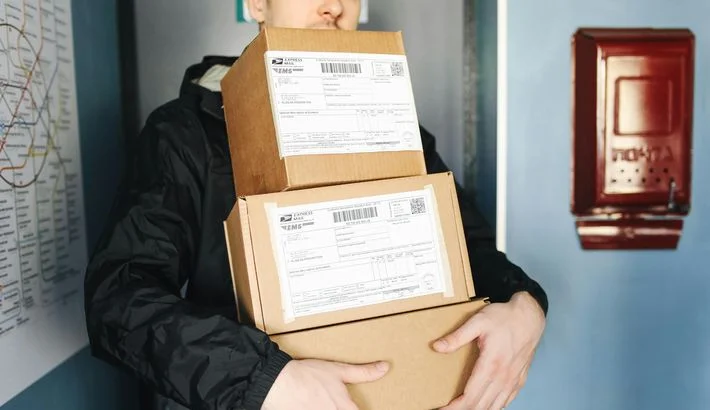
How to Handle International Returns: A Guide for E-Commerce Businesses


 To share
Globalization has erased borders for shoppers. Nowadays, someone in Paris can order sneakers from Los Angeles with a single click. However, for business owners, this technological achievement is often eclipsed by one of the most intricate operational challenges. That challenge is reverse logistics.
Cross-border e-commerce provides access to vast markets. However, as sales increase, so does the number of items sent back. Domestically, the process seems straightforward and streamlined. But international returns can become a real strain on the budget and nerves.
Many retailers try to ignore the problem, hoping that the share of cross-border returns will remain minimal. But the reality is that today's shoppers often evaluate a brand not only by delivery quality but also by how easily they can send back an unsuitable item.
A well-designed strategy not only helps minimize losses but also significantly increases customer trust. And so the question arises: how to manage international refunds and returns? Read on for more.
Why Are International Returns So Complicated? (The Four Hurdles)
Developing an international business is like walking a tightrope, with profit on one side and hidden costs on the other. When it comes to returns, many companies face a harsh reality: it's not just reverse shipping. Four main barriers make this process a headache for any online retailer. Understanding these obstacles is the first step to turning chaos into a manageable system.
Prohibitive Shipping Costs: The Primary Barrier
Transportation costs are what dash dreams of easy global expansion. Shipping a single T-shirt or pair of shoes across the ocean individually often costs more than manufacturing the item itself.
When a customer realizes that the landed cost of sending a package back is too high, they either become disillusioned with the brand or demand a free return. To optimize these processes, it's important to consider key expense items, namely:
- customer's location;
- weight and actual dimensions of the package;
- rates of the selected courier service;
- warehouse handling fees;
- fuel surcharges for international airlines;
- cost of insuring valuable cargo.
For the seller, paying for such returns quickly becomes a serious drain on margins. Using a standard return shipping label for every cross-border package, without optimizing routes, can eat into the entire profit margin.
Before diving into global expansion, it’s crucial to figure out the economics of reverse logistics. Businesses must balance customer loyalty with survival. This is especially true in a competitive market.
The Customs Maze (Duties & Taxes)
Procedures are the most confusing labyrinth in the world of e-commerce. The customs duties and taxes apply when a product makes its first international trip. These are often borne by the buyer or included in the overall price. But what happens when the product is shipped back? Enter "duty drawback"— a way to recover previously paid duties.
The process of obtaining a tax refund from government agencies requires considerable efforts and impeccable documentation. Customers, in turn, fear being charged taxes again when filing a return or losing the money already paid upon import.
To avoid such situations, retailers often use the DDP (Delivered Duty Paid) model. However, this does not guarantee that there won't be any complications during re-export. There is a risk of goods getting stuck at customs, especially without a clear understanding of how import/export regulations work in each country.
Complex Logistics
The logistics chain for returns is much more complex than that for direct deliveries. Direct logistics travels from a centralized warehouse to the end consumer via proven routes.
Reverse logistics involves collecting individual parcels from thousands of people living in different time zones and served by different local courier services. To properly manage these processes, companies must control several critical components:
- collection of shipments from individuals;
- consolidation of cargo at intermediate hubs;
- issuance of accompanying documents;
- verification of contents against the order;
- monitoring of cross-border movement;
- timely delivery to the final warehouse.
To handle this volume, a global carrier network is essential. It keeps every step of the shipment fully trackable. Long transit times not only tie up working capital but also increase the risk of damage to goods in transit.
If an item takes three weeks to arrive, it will be out of fashion or out of season by the time it arrives at the warehouse. An effective logistics partner should minimize these delays by offering solutions that go beyond simple courier delivery.
A Poor Customer Experience
Ultimately, all technical and financial difficulties impact the most important thing—the customer. Modern customer experience (CX) thrives on transparency and simplicity. High abandoned cart rates often stem from buyers finding the return policy confusing or too costly.
A disappointed shopper isn't just a lost sale. It's a negative review, which in the age of social media can cost a company its reputation. When a return becomes a long wait without a clear package status, customer stress levels rise.
A brand's goal is to create an environment where even returning a product becomes a pleasant experience. A smoother experience can improve customer retention and strengthen trust in the brand.
The Foundation: Building a Clear and Competitive International Returns Policy
Before physically moving goods across borders, it's essential to create a legal and informational framework. Your international returns policy isn't just boring text in your website footer; it's a powerful conversion tool.
A refund policy should be extremely transparent regarding responsibility for costs and processing times. Customers want to know who pays for returns, whether taxes are refunded, and how quickly they get their refund.
Fixed restocking fees help cover costs, but they must be made clear. To create a high-quality document, business owners should consider key aspects of audience engagement in advance. A well-written policy should include several critical sections:
- return request deadline;
- condition of the original product packaging;
- payment methods;
- list of non-returnable items;
- instructions for completing customs forms;
- liability for damage during delivery.
An effective policy also serves as a filter, preventing fraud and unfounded claims from unscrupulous individuals. Establishing clear timeframes and requirements for product condition protects businesses from direct financial losses.
Consumer protection laws may vary across countries. Therefore, international policies must be adaptive. This approach makes a brand truly customer-friendly in the eyes of a global audience and increases trust.
The Core Strategies: Choosing Your International Returns Model
After handling the legal side, it's time to figure out how to get the goods back to the warehouse. There is no single right way. The choice of model depends on the type and value of your product and the geographic scope of your business.
Companies strive to find the most cost-effective solution that won't disrupt the supply chain when considering options. Below are the main models that have become standard in modern cross-border retail.
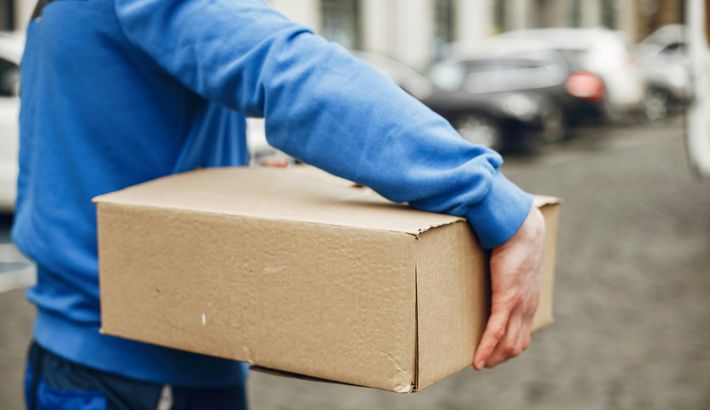
Return to Origin (The Default)
The most obvious and easy-to-set-up method is to have goods shipped directly from the buyer's country to your central warehouse. This model doesn't require complex infrastructure abroad, as you provide the end consumer with your warehouse address.
The main problem here is the unpredictability of delivery times and the high administrative costs of processing each parcel. In this model, international returns management becomes extremely labor-intensive, requiring constant monitoring of each item.
Refunds take longer since goods are checked only after arrival. To optimize this workflow, companies must consider several factors that affect the transaction's final cost.
Implementing direct returns means a retailer knows their processes and can handle operational risks. The right tools help smooth out rough edges when interacting with foreign carriers. Here's what's needed:
- reliable logistics partner;
- automated bill generation;
- transparent shipment tracking system;
- monitoring the weight and dimensions of parcels;
- providing timely customer notification of status.
Despite its drawbacks, this model remains viable for brands with exclusive or very expensive products. It is also suitable for startups testing a new market, when the order volume does not yet justify the creation of a complex infrastructure.
Do Not Return (For Low-Value Items)
Sometimes the best way to return an item is not to ship it back at all due to high logistics costs. In the e-commerce industry, there's a concept called the "break-even point," where shipping costs exceed the product’s residual value.
In such cases, a company may decide to keep the item with the customer and offer a full refund. It sounds counterintuitive, but mathematically, it's often the most profitable solution for the business.
This approach instantly turns a potentially negative experience into a memorable experience for people who value their time. The buyer receives a refund without having to go to the post office, which significantly increases loyalty to your store.
Cut logistics costs and invest in marketing or better product quality. Of course, this strategy carries the risk of abuse. So, support it with solid data analytics.
Centralized Returns Hub / Consolidation (The Modern, Smartest Solution)
For large players and fast-growing brands, the gold standard is dedicated consolidation centers. Instead of sending every parcel across the globe, goods go to a local warehouse near the buyer. There, employees conduct an initial inspection, verify that the items match the stated issue, and promptly approve the refund request.
When enough parcels pile up at a local warehouse, the company ships them to the main warehouse in a single batch. Consolidated returns this way cut the cost per unit, since duties are spread across hundreds of items.
This role is often played by an international fulfillment center or a specialized 3PL (Third-Party Logistics) provider. They handle storage. Also, they repackage and resell returned goods in markets, depending on local regulations and product condition.
This approach turns cross-border returns into an efficient business process instead of a financial burden. It's the most balanced approach for those planning a serious and long-term presence in the international arena.
The Logistics in Action: A Step-by-Step Process for a Smooth Return
Theory and model selection are only half the battle. The real test of a business's strength occurs when the customer clicks the "Return" button. The process is kept under control by clear, automated steps.
On average, companies that implement international returns tips can reduce their operating cycle. Each step should be a logical continuation of the previous one, eliminating unnecessary delays and documentation errors.
First, the system must confirm the return authorization through an automated Return Merchandise Authorization (RMA). The warehouse can know in advance exactly what product will be received, its condition, and the reason for the send-back.
Without this number, identifying the package at customs or a distribution center becomes much more difficult. After authorization, the customer receives instructions and the necessary documents. These are critical for a smooth border crossing.
To ensure the logistics chain runs smoothly, it's essential to adhere to a strict workflow. This minimizes the risk of lost parcels and ensures the proper handling of all customs documents. A proper sequence of steps allows warehouse and support staff to work from the same information field. It looks like this:
- Creation of an electronic request by the buyer.
- Generate an international waybill.
- Select a convenient shipping point.
- Complete the initial inspection of the goods.
- Consolidation of the cargo at the hub.
- Final inspection at the main warehouse.
Once your logistics partner physically receives the items, the final processing stage begins. If consolidation is used, the goods are then sent as part of a larger shipment, significantly reducing shipping costs.
The customer should receive automatic notifications throughout this entire workflow. Less stress and fewer support chats free employees to tackle more complex tasks. When the goods finally reach the final destination (the central warehouse or regional hub), the request is closed. Employees verify the contents of the package against the system data and then confirm the refund.
It's crucial to initiate the transaction as quickly as possible at this point, since payment speed directly impacts loyalty. Modern platforms automate this process. This makes international returns management transparent and understandable for both parties.
Conclusion
Success in global e-commerce requires managing international returns, which is a complex yet inevitable component. In the long run, companies that view send-backs not as a loss but as an opportunity to strengthen customer ties invariably win.
Modern technologies, such as automated return portals and consolidation systems, can turn a logistical nightmare into an efficient business process. Choosing the right strategy not only saves money but also builds a reputation as a reliable brand.
There is no one-size-fits-all solution. Each company must adapt its approach to the specifics of its market and product. Working with an experienced logistics partner allows you to delegate the most complex tasks, such as customs clearance and storage.
In a world where competition is growing daily, high-quality service is the key differentiator between a successful and a mediocre business. Investments in high-quality reverse logistics pay off in repeat purchases and positive referrals.
Every sent-back item is a chance to show your customer how much you value their trust. By creating a comfortable return environment today, you ensure the stable growth and prosperity of your international business tomorrow.
To share
Our news

Meest and Self Reliance Financial Federal Credit Union (SRFFCU) Announce New Partnership
Together, we are creating more opportunities for the Ukrainian community in the United States
Important Customs Requirements Update for Shipments to Armenia
We recommend reviewing these requirements before creating your shipment to help avoid possible delays.
What Is a Bill of Lading, and Why Do You Need It?
A bill of lading is one of the central shipping records used in cargo transportation.

What Is a Packing List for Shipping and How to Prepare One?
A clear packing list makes it easier for all parties involved to understand what they are transporting.
What Is Freight Forwarding, and How Does It Work?
The exact setup depends on many factors we’ll cover.
Fulfillment Center vs. Warehouse: What’s the Difference?
The right choice depends on several factors we will discuss in more detail.
How Much Does It Cost to Ship a Car Overseas From the USA?
This process is rarely priced with one flat fee.



 Domestic