


Depop vs. Poshmark Comparison in 2026


 To share
In 2026, online clothing sales will go beyond a mere way to dispose of unwanted items. They're a fully-fledged part of social commerce, where each seller effectively becomes a micro-brand. People come to platforms for more than just shopping. They seek style, inspiration, and a sense of belonging to a particular aesthetic.
Just a few years ago, uploading a few photos and setting a price was enough. Now, that's not enough. Buyers want clean shots, transparency, and fast shipping. They're searching through profiles and checking reviews to compare deals. Basically, every listing becomes its own mini-funnel. Every detail matters, from the first impression to the moment the package is received.
This is why the question of Depop vs Poshmark has become so important. Both platforms provide access to an audience, but they play the game differently. These shifts change how you sell and also reshape your long-term strategy. Choosing between two marketplaces directly impacts both where you list your products and how you run your business.
If you're into vintage and have a strong eye for aesthetics, Depop may be the better fit. The audience there prioritizes visual appeal, so if your photos hit right, you'll grow fast. But if you're flipping big-name brands, Poshmark is where you’ll see good results. Buyers there often know what they want and are ready to check out.
The market is getting insanely crowded. Just showing up isn't enough anymore. You've got to give people a reason to pick you over a thousand other sellers. Maybe it's your unique curation, your prices, or the fact that you ship faster. Whatever it is, find your edge and build around it.
At a Glance: Depop vs. Poshmark
Here's the deal: people usually say Depop is for the creative sellers, while Poshmark is for those who just want things organized and easy. That may sound simple, but honestly, once you actually start listing, the gap between the two is way bigger than it looks on paper.
Depop works like a hybrid social marketplace where following people and liking content actually builds your personal feed. In this case, the vibe and the content you post matter just as much as the clothes you're selling.
Conversely, Poshmark keeps a traditional approach. It's a straightforward marketplace with actual structure, optimized search functionality, and all the tools you need. People don't usually go there to scroll for hours; they show up to find specific items and complete their purchases directly.
The interesting thing is, these vibes change everything about how people shop. Depop is associated with impulse buying. Poshmark is more like a planned mission. Before we move into the details, let's look at the main differences so you can pick your lane. They are:
- emphasis on visual content;
- standardized sales structure;
- diverse approaches to the audience;
- differences in logistics;
- level of process automation;
- user community engagement.
Choosing a platform involves convenience and strategy. Looking deeper, it becomes clear that these differences also affect how you organize your daily work. On Depop, you need to think constantly about your content model. You have to stay on top of photos, track trends, and engage your followers. Honestly, it's less like old-school retail and more like managing a social media page.
Poshmark requires a consistent effort. You need to make the product page, pick the right category, and use its promotional tools. Once you automate the process, the workflow actually feels manageable and predictable.
Don't ignore the competition. On Depop, your visuals do more of the work. On Poshmark, buyers care more about the brand name, the price tag, and your seller rating.
Ultimately, Depop relies more on creativity and hype, while Poshmark is all about consistency and the daily grind. That's the real deal-breaker for figuring out which one will pay off for you in the long term.
The Vibe: Audience and Aesthetics
One of the biggest shifts between Depop and Poshmark is the overall vibe. The platform atmosphere totally dictates how fast your items actually sell.
Depop is basically popular with Gen Z, focusing on streetwear, customs, and vintage vibes. People aren't just shopping there but also looking for inspiration. Since visuals are essential, sellers do full-on photo shoots with edgy angles. Sometimes, a cool image matters way more than the brand on the tag.
Poshmark hits a broader, more practical crowd. Users there hunt for deals and check reviews. The vibe is different, too. While Depop is more community-driven, Poshmark is more functional, and interaction often supports the transaction itself.
Understanding the audience of each platform is key to sales. Without it, even a good product may not sell. Here are the key aspects:
- visual product storytelling;
- focus on trends;
- active user engagement;
- personal brand development;
- emotional audience purchases;
- influence of fashion subcultures.
At its core, Depop prioritizes lifestyle, whereas Poshmark emphasizes convenient shopping.
Look closely, and you'll see that audience preferences change your whole strategy. On Depop, just listing an item isn't enough. You have to show it in real life, style it, and sell the aesthetic. It means turning a basic listing into a mini-story that actually grabs people.
Poshmark operates on facts. To sell, you need clear descriptions, solid condition, and a fair price. Buyers here tend to choose value and reliability over style appeal. It makes the service more predictable, but definitely less emotional.
As a result, selecting between platforms is a choice between two audience behavior models: impulsive and inspiring, or rational and calculated. The better you understand this difference, the easier it will be to adapt your approach and increase sales.
The Money: Fees and Getting Paid
The financial aspect is one of the most important when comparing selling on Depop vs Poshmark. However, it's essential to look beyond commissions and consider the overall economics.
Depop takes a 10% cut plus fees, offering greater pricing autonomy. You can drop discounts and pivot fast. Poshmark sticks to a fixed model. It makes predictable margins, but you lose that flexibility. Still, you always know your exact take-home pay.

It's important to consider other factors as well, such as returns, packaging, and discounts. Such a rule applies especially to selling vintage clothing, where the item's condition can be critical. Profitability combines revenue with cost control. Here are the key factors you should know:
- Poshmark's fixed commissions;
- Depop's percentage model;
- payout speed;
- impact of returns;
- additional business expenses;
- pricing flexibility.
Depop offers more freedom, while Poshmark is built for stability. But the decision goes beyond numbers. A huge part of it depends on how much daily effort you're willing to put in.
Fees shape how you price and operate. Depop is useful for testing prices and reacting to trends quickly. Poshmark, though, is better for those who want steady, predictable profits. Long-term, your financial model decides how fast and easily you can scale your business.
The Logistics: Shipping Simplified vs. Shipping Flexibility
When it comes to practicality, the differences between Poshmark vs Depop become especially noticeable at the delivery stage. Efficient logistics are key to growth and customer satisfaction.
Although shipping may seem like just another task on your to-do list, it plays a significant role in the customer experience. Straightforward and reliable delivery is what keeps buyers coming back for more. Delays and shipping issues can damage both conversion and the seller's reputation.
Poshmark offers the most simplified approach. Its shipping model is built on standardization. After a sale, the seller receives a ready-made label. Simply print and apply it. Shipping costs stay fixed, and the process is clear.
This reduces the pressure for newbies. No need to stress over rates, compare carriers, or crunch numbers. It's all built-in. But it also has limits. While it's great for local sales, it lacks the flexibility for going global.
Depop allows you to take control. You decide how to ship — either use their tools or go straight to the carriers. It's more effort, but you're in control. You can pick cheaper rates to boost margins or go faster to keep buyers happy. What's more, you can ship worldwide, opening your shop up to a huge global audience.
Logistics transforms from an expense into a tool for growth. When comparing these platforms, bear the following in mind:
- Poshmark's automated shipping;
- fixed shipping rates;
- flexibility in choosing carriers;
- international shipping options;
- control over time and cost;
- configuration to fit your business model.
Poshmark is more user-friendly for beginners, whereas Depop is designed for long-term use. However, both are great until you hit the edge of their ecosystem. Global shipping complexity, customs procedures, and rising costs can stall your momentum before you even know it.
Grow Beyond the Platform with Meest
If you look past a single platform, the discussion stops being just about Depop vs. Poshmark. A more important challenge arises: how to scale your business. And in this case, logistics plays a key role.
Meest is a global logistics pro with 35+ years of experience. What started as a simple way to connect people through parcels is now a massive infrastructure for international trade. They solve international hurdles for sellers looking to go global.
Meest's big strength is its digital-first vibe. You can set up a shipment via the portal or app in minutes. This is a game-changer for sellers moving high volumes who can't afford to waste time.
They also have physical locations and partner drop-off points. That kind of reliability is huge for selling vintage, where an item's condition is the deciding factor.
Meest's key differentiator is its multimodal logistics. This means optimizing the entire supply chain: from the first stage (package pickup) to the last (delivery to the customer). Such efficiency reduces costs and increases speed. Modern e-commerce is impossible without well-organized logistics. A closer look at the international operator Meest reveals the following advantages:
- delivery to over 170 countries;
- transparent rates without hidden fees;
- convenient digital tools;
- fulfillment solutions;
- integration with e-commerce systems;
- support for international sales.
Meest also actively works with small and medium-sized businesses. This means even an independent seller can expand internationally without major investments.
Another important aspect is the DDP delivery model, where all duties are paid in advance. This makes the process more transparent for customers. It reduces the number of deliveries refused. The company also offers 3PL and fulfillment solutions. This means you can outsource certain processes, including storage, packaging, and shipping.
Modern logistics is built not on the principle of "doing everything yourself", but on partnerships. Meest actively collaborates with global and local carriers. This lets the company offer economy, standard, and express shipping, giving sellers more flexibility. You can tailor delivery to different markets, product categories, and customer expectations.
Depop and Poshmark give you the crowd, but not always the tools needed to scale. That's where Meest comes in. They bridge the gap, helping you move past your local circle and actually reach customers worldwide.
Conclusion: Curate Your Platform, Curate Your Success
Comparing two platforms shows there's no universal solution. Each of them fits different goals, styles, and selling models. Depop is a proper option for anyone obsessed with visuals, creativity, and personal branding. It's the place to stand out with your style and build a real community. Poshmark is the stronger choice for stability and simplicity. It's faster to set up, easier to run, and well-suited to building a sales model that actually stays predictable.
Remember that platforms are just the starting line. To really grow, you have to think bigger. Hit different channels, test new markets, and actually talk to your audience. You also need to keep an eye on fees, squeeze every bit of value out of seller tools, and lean into community features to sharpen your edge. Logistics is what turns a local hustle into a broader international business.
In today's market, the winners are those who align platform, audience, and delivery. They understand that selling isn't just a series of tasks but a connected system. If you're considering Depop vs. Poshmark, ask yourself the key question: do you want to sell or build a scalable business? The difference between these two approaches determines everything else.
To share
Our news
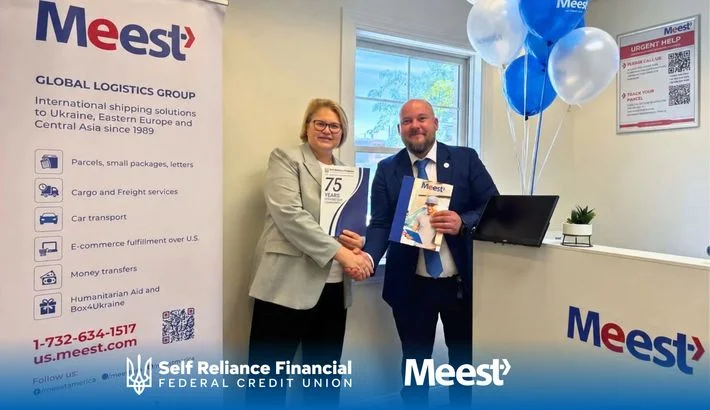
Meest and Self Reliance Financial Federal Credit Union (SRFFCU) Announce New Partnership
Together, we are creating more opportunities for the Ukrainian community in the United States
Important Customs Requirements Update for Shipments to Armenia
We recommend reviewing these requirements before creating your shipment to help avoid possible delays.

What Is a Bill of Lading, and Why Do You Need It?
A bill of lading is one of the central shipping records used in cargo transportation.

What Is a Packing List for Shipping and How to Prepare One?
A clear packing list makes it easier for all parties involved to understand what they are transporting.

What Is Freight Forwarding, and How Does It Work?
The exact setup depends on many factors we’ll cover.
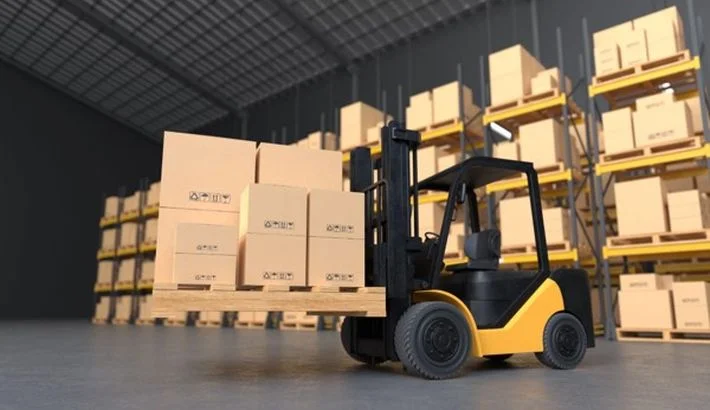
Fulfillment Center vs. Warehouse: What’s the Difference?
The right choice depends on several factors we will discuss in more detail.

How Much Does It Cost to Ship a Car Overseas From the USA?
This process is rarely priced with one flat fee.

What Are Shipping Zones, and How Do They Affect Shipping Costs?
Let's explore this together.



 Domestic