


How to Package and Ship Shoes


 To share
Shipping shoes is always a personal interaction between sender and recipient. You might be forwarding sneakers to a relative, transportation shoes when moving, or sharing part of your collection with another sneakerhead.
In these situations, it's not sales that matter, but safety, care, and a predictable outcome. That's why you should clearly understand how to ship shoes so they arrive safely and aren't returned during package inspection.
Meest helps individuals organize shoe carriage domestically and internationally. Proper packaging reduces the risk of scuffs and damage. You can also understand the shipping shoes cost in advance. To ensure your package arrives in perfect condition, consider product preparation, packaging materials, and delivery details.
Why Proper Shoe Packaging Matters
Shoes need proper protection during transportation. During shipping, boxes are subject to compression, drops, and vibrations. Even a sturdy shoebox can't always withstand such stress. This is especially true if you plan to ship shoes across the country or use international shipping.
Good packaging gives you peace of mind that the shoes will arrive in one piece. It also helps the recipient get them looking the same way you sent them. Using the right box and padding lowers the risk and makes delivery more predictable. Meest recommends taking a little extra care with packaging, no matter how far the shoes travel.
Preparing Shoes Before Packing
You must adequately prepare your shoes before placing them in a shipping box. Although many people skip this step, it helps prevent unpleasant issues during transportation. Attention to preparation is significant for international shoe shipping. The parcel's journey can be long.
Preparing your shoes helps them keep their shape, stay fresh, and pack more easily. Furthermore, a carefully prepared pair will look neater during inspection. This is important for both personal shipments and collectible pairs.
Before packing, we recommend the following:
- clean the shoes of any dirt;
- dry the interior completely;
- preserve the shape of the shoes;
- secure the laces;
- inspect the boots for damage.
After completing these steps, the shoes are ready for further packaging. They won't deform or damage other items inside the box. This approach is critical if you're transporting an item that's valuable to a collector. The recipient immediately notices responsible handling of the shipment.
Choosing the Right Box and Packing Materials
The correct shoes shipping box is key to safe delivery. Although you can use a traditional shoebox, it usually works only as inner packaging. The double-box method is best for transportation due to additional protection from external pressure.
Cushioning matters just as much. Paper, bubble wrap, and extra padding keep the shoes in place. Strong packing tape holds the box together and prevents it from opening during transit.
The choice of packaging affects not only safety, but also shipping costs. Incorrectly selected weight dimensions can increase transportation costs. Therefore, you should consider in advance which materials are vital.
Before closing the box, make sure you use the optimal set of packaging elements. These include:
- sturdy outer box;
- inner shoebox;
- protective bubble wrap;
- fixing paper;
- strong packing tape;
- address label.
Using these materials allows the sender to pack the shoes inside securely. The box keeps its shape, and the contents stay protected from impacts and abrasion. This method is appropriate for both domestic and international shipments.
International Shoe Shipping: What to Know
Sending footwear abroad takes more planning than domestic delivery. Shoes international shipping includes customs clearance, document checks, and extra fees, so the sender needs to understand the process in advance to avoid delays.
Meest supports private international shipments. The company helps prepare for the requirements of different countries. Properly completed documentation reduces the likelihood of returns or additional inspections. This means faster delivery and transparent tracking for the recipient using the number.
When you ship shoes internationally, customs checks the package and papers. So, it’s important to know the rules before sending.
Customs Documents and Declarations
When shipping shoes abroad, customs inspect the package and paperwork. The declaration lists the contents, their values, and destinations. For personal parcels, errors can cause extra duties and taxes.
Even for non-commercial shipments, a commercial invoice may be required. This occurs when the destination country requires a detailed description of the shipment's contents. Filling out documents correctly speeds up the process, and helps avoid misunderstandings. Meest recommends completing all information honestly and accurately.
You should indicate the actual value and provide a clear description of the shoes.
Before shipping, check that all documents are ready. Each sender will be required to:
- complete the customs declaration correctly;
- indicate the true declared value;
- describe the contents in full;
- attach a commercial invoice if necessary;
- check the destination country's restrictions.
After completing these steps, you significantly reduce the risk of customs delays. The recipient will not encounter unexpected notifications or additional requests. This approach is critical when shipping collectible or unique-value shoes.
Understanding Shipping Costs
One of the most common questions when considering carriage shoes is: how much does it cost to ship shoes? Several factors determine the cost. It always depends solely on the distance. Weight dimensions, packaging type, and transportation direction play a key role.
Shipments within the country are typically cheaper, especially for shoes. Additional prices for handling and customs are incurred for international shipments. Therefore, it's important to understand the factors affecting the final price and how to optimize shipping costs.
Meest offers transparent rates, which allow senders to budget in advance. This is convenient for both the sender and the recipient because they know what to expect. The charge of this service depends on several key factors:
- parcel weight and dimensions;
- international shipping direction;
- selected packaging type;
- shoe delivery urgency;
- additional customs fees.
Knowing these factors helps you avoid surprises. You can pick the right box early, cut down on extra space, and lower transportation costs. This matters most for regular shipments or sending multiple pairs.
Tracking and Delivery Confidence
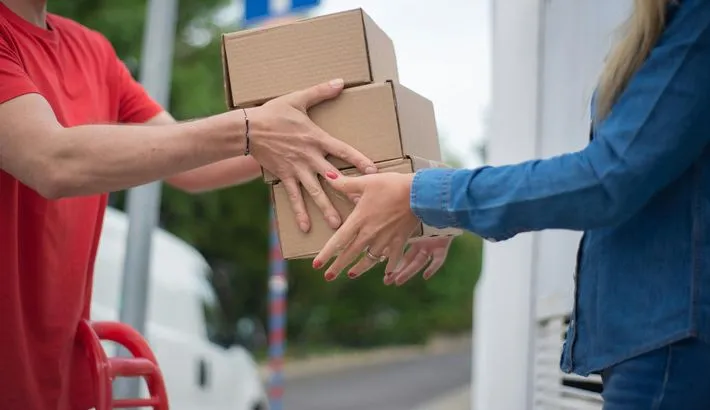
After shipping your shoes, it's essential to maintain control of your parcel. A tracking number will help you track every step of the way. This reduces anxiety for both the sender and the recipient.
Meest offers tracking for domestic and international shipping. This is especially important for international shipping, where the parcel's journey can take longer. You can notify the recipient in advance of the delivery date if you have the recipient's current location.
Additional Practical Considerations for Shoe Shipping
Even with proper packaging and documentation, additional nuances must be considered when shipping shoes. For example, the condition of the parcel can be impacted by choosing the right time to ship. During peak periods, parcels take longer to sort. Therefore, choose the best time to do so as early as possible.
It’s also important to consider the type of shoe. Light sneakers and fabric shoes need more cushioning, while leather boots can deform under pressure. Using paper inside helps keep their shape, and bubble wrap cuts down the risk of damage from shaking.
Poly mailers have limitations you should keep in mind.” It works only for short trips and, if the shoes have extra protection inside. For international or long-distance shipping, Meest suggests using a sturdy box. It protects better from outside damage and makes handling easier in warehouses.
Declared Value and Responsibility Between Sender and Recipient
When shipping shoes internationally, there are financial considerations beyond the cost of carriage itself. The declared value is a parameter used by customs authorities to evaluate a package's contents and calculate required fees. The transportation rate is not affected by this, but the parties' responsibilities when crossing the border are directly related.
For private shipments, you should declare the actual market value of the shoes, even if they are used. The focus of customs services is on the objective rateworth of the goods, not on their personal significance to the sender or recipient.
Some countries require a commercial invoice, even for non-commercial shipments. This document confirms the contents, the parcel's purpose, and the declared value. Duties and taxes, which the recipient usually pays, may be assessed based on this document.
Managing Expectations and Final Delivery
After carriage shoes, it is essential to maintain communication between the sender and recipient. Providing a tracking number allows both parties to monitor the parcel's progress and plan for collection in advance.
The recipient should prepare for possible customs notifications and, if applicable, clarify the tax payment procedure in advance. The sender needs to retain all shipping proof until the package is received.
Proper packaging and careful documentation are ultimately crucial to ensuring the safe delivery of shoes. With a clear understanding of logistics processes, you can confidently ship shoes across the country or internationally without unnecessary risks.
Conclusion
To ship shoes correctly, you need to prepare well, use good packaging, and understand how transportation works. Whether it’s one pair or a few, you should treat each shipment with care.
Meest recommends paying close attention to detail and taking your time when packing. A few extra minutes of preparation can save you time, money, and stress later on. This approach makes delivery smooth for both parties.
Before final shipping, it's worth double-checking the integrity of all packaging, ensuring the address is correct, saving the tracking number, and notifying the recipient in advance. After this, the package is ready to be dispatched. Rest assured that your shoes will arrive undamaged. Meest standards are met by this approach, which makes the delivery process as transparent and secure as possible.
To share
Our news


Meest and Self Reliance Financial Federal Credit Union (SRFFCU) Announce New Partnership
Together, we are creating more opportunities for the Ukrainian community in the United States

Important Customs Requirements Update for Shipments to Armenia
We recommend reviewing these requirements before creating your shipment to help avoid possible delays.
What Is a Bill of Lading, and Why Do You Need It?
A bill of lading is one of the central shipping records used in cargo transportation.

What Is a Packing List for Shipping and How to Prepare One?
A clear packing list makes it easier for all parties involved to understand what they are transporting.
What Is Freight Forwarding, and How Does It Work?
The exact setup depends on many factors we’ll cover.
Fulfillment Center vs. Warehouse: What’s the Difference?
The right choice depends on several factors we will discuss in more detail.
How Much Does It Cost to Ship a Car Overseas From the USA?
This process is rarely priced with one flat fee.



 Domestic