


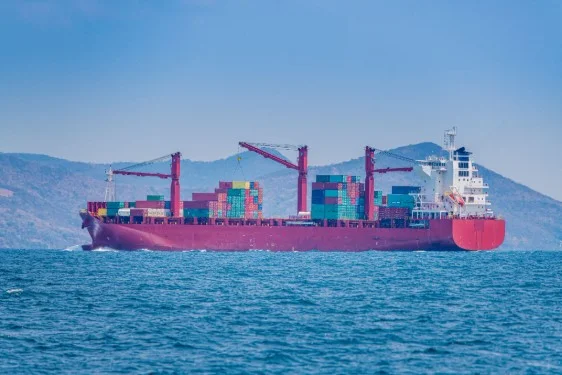
How Much Does It Cost to Ship a Car Overseas From the USA?


 To share
Transporting a vehicle abroad is an exciting yet challenging venture. How to organize everything, take all nuances into account, and avoid missing a crucial detail? And then comes one of the most important questions: how much does it cost to ship a car overseas from the USA? This process is rarely priced with one flat fee. The total cost depends on the transport method, route, vehicle profile, pickup needs, and other aspects covered more closely below.
The international car shipping cost is built from several components, so a useful estimate starts with the specific automobile, origin-destination pair, and service scope rather than a broad average. Knowing what affects the quote also makes it easier to compare offers on equal terms.
What Determines International Car Shipping Cost?
The base freight charge is shaped by how much space and handling the vehicle requires and by the route used to move it. Timing, port access, and the level of service around the ocean or air leg can also impact the quote.
An estimate should be tied to a specific travel window because prices can change with capacity and routing. A rate calculation made several months ago may no longer reflect available sailings or handling conditions.
Shipping Method: RoRo, Container, or Air Freight
The method of transportation is one of the most important factors influencing the price. With RoRo car shipping, an operable vehicle is driven onto a specialized vessel and secured for the voyage.
Container car shipping places the vehicle inside a dedicated enclosure. That added protection can be useful for certain models; however, the amount paid may increase as the reserved space, loading, and related handling have to be covered.
Air freight is generally the premium option because aircraft capacity is limited and the service is much faster. This method is useful when time is more important than a budget or if a high-value vehicle needs expedited movement.
For many international moves, ocean freight shipping provides a practical balance of cost and transit duration. Nevertheless, the choice should depend on route availability, the car’s condition, and the level of protection it requires.
Route, Destination, and Shipping Schedule
The departure point in the United States affects inland movement and access to an export port. A vehicle already near a major gateway may be less expensive to position than one located hundreds of miles from the coast.
Destination matters as well — not every port has the same sailing frequency, handling structure, or onward transport options. Pricing of direct routes may differ from moves with transshipment through another hub.
Schedules can also affect vehicle shipping rates. Sailing with limited capacity may have a different rate from one with more space available. Seasonal demand and timetable changes can impact both timing and pricing.
Flexible dates can therefore be useful when you do not need the car to leave on a specific vessel. Asking for several realistic departure windows may give you a clearer picture than comparing a single sailing.
Vehicle Size and Condition
Vehicle dimensions determine the amount of space the carrier has to reserve. Large SUVs, pickup trucks, vans, oversized models, and cars with modifications can require more room than a standard sedan — this may raise the transportation charge.
Condition counts, too. You can’t just drive a non-running automobile into position. You may need a forklift, winch, tow equipment, or other assistance. Additional handling may incur labor, facility use, and terminal fees.
Accurate details are important when requesting a price calculation. If the vehicle has low clearance, unusual dimensions, missing parts, or mechanical problems, disclose them before booking so the estimate reflects the actual handling needs.
Port-to-Port vs. Door-to-Door Shipping
Service scope can change the total even when the ocean leg stays the same. With port-to-port shipping, the customer normally arranges movement to the departure terminal and transportation upon arrival at the destination port.
Door-to-door service adds coordination before and after the international leg. It can be more convenient, especially if the owner lives far from a terminal, but inland pickup and final transport are additional components of the overall amount.
When comparing quotes, check exactly where each provider’s responsibility begins and ends. A lower base freight figure may not be cheaper overall if you must arrange long-distance transport on both sides yourself.
What Additional Costs Should You Budget For?
The core shipping charge is only part of the amount you may pay. Before accepting a quote, identify which related fees are included and what may be billed separately:
- inland transport — moving the car from its U.S. location to the departure port can add a sizable expense, especially over long distances;
- port and handling fees — terminals may charge for receiving, processing, loading, documentation, or other operational services;
- customs clearance or brokerage — some destinations require a broker or customs representative to prepare or process import paperwork;
- insurance — marine cargo insurance can provide financial protection against covered loss or damage during the international journey;
- import duties and taxes — customs duties and taxes depend on the importing country, vehicle value, age, classification, and local rules;
- destination charges — storage, terminal handling, inspection, transport, or other fees may apply after arrival.
Import duties and taxes are not always included in the quoted freight amount. Treat them as a separate budget item, unless the offer clearly says otherwise.
How to Estimate International Car Shipping Costs
How much does it cost to ship a car overseas? A realistic estimate requires more than the vehicle’s make and model. An international car shipping cost calculator or quote request typically needs enough information to determine the route, equipment, handling requirements, and service scope:
- origin — provide the U.S. city, ZIP code, or departure port so inland transport and routing can be considered;
- destination — specify the country, city, or terminal where the automobile needs to arrive;
- vehicle details — include the make, model, year, dimensions when relevant, and if the car is oversized or modified;
- condition — state whether the automobile runs and drives or needs special equipment for loading;
- transport method and scope — identify RoRo, container, air freight, or another available option, plus port-to-port or door-to-door service.
The details mentioned above simplify the comparison of similar offers, making it unnecessary to rely on generic figures. As for ocean freight shipping, the rate estimate may also reflect voyage availability, container use, terminal handling, and inland delivery.
When analyzing the result, separate the base transportation charge from additional expenses or fees associated with the destination. This will give you a better idea of the true cost to ship a car overseas — and will reduce the chance of overlooking charges appearing later.
How to Reduce the Cost of Shipping a Car Overseas
Saving money starts with choosing a service that fits the vehicle rather than automatically selecting the most protective or fastest option. Several practical choices can lower the total cost without ignoring the basic requirements of the move.
For an operable standard automobile, RoRo may be more economical than reserving container space. Shared container arrangements can also reduce the amount paid when they are available and appropriate for the route.
Flexibility can help. If your schedule allows several departure dates, you may be able to use a sailing with better capacity instead of paying for a narrow timetable.
Port-to-port service may help reduce the quoted international shipping scope if you can manage inland transportation efficiently yourself. However, compare the full journey before deciding, because separate trucking on either side can offset the apparent saving.
Price estimate comparisons should use the same assumptions. One offer may include terminal handling, pickup, documentation, or insurance, while another shows only the base freight amount. The lowest headline figure is not always the least expensive final choice.
If you need to ship a car overseas, provide complete vehicle information and ask what is included before you book. A detailed quote makes it easier to adjust the route, timing, or method without sacrificing essential handling requirements.
Conclusion
There is no universal price for moving a car from the USA to another country. The transport method, departure point, destination, schedule, vehicle size and condition, inland movement, port charges, and import requirements — they all influence the final amount.
The best way to estimate the expense is to compare quotes built from the same route and service scope. Include possible duties, insurance, handling, and destination fees rather than focusing only on the base freight figure. Once those elements are clear, you can choose an option that fits both the vehicle and your budget — and avoid surprises after departure.
To share
Our news

Meest and Self Reliance Financial Federal Credit Union (SRFFCU) Announce New Partnership
Together, we are creating more opportunities for the Ukrainian community in the United States

Important Customs Requirements Update for Shipments to Armenia
We recommend reviewing these requirements before creating your shipment to help avoid possible delays.

What Is a Bill of Lading, and Why Do You Need It?
A bill of lading is one of the central shipping records used in cargo transportation.

What Is a Packing List for Shipping and How to Prepare One?
A clear packing list makes it easier for all parties involved to understand what they are transporting.
What Is Freight Forwarding, and How Does It Work?
The exact setup depends on many factors we’ll cover.

Fulfillment Center vs. Warehouse: What’s the Difference?
The right choice depends on several factors we will discuss in more detail.

What Are Shipping Zones, and How Do They Affect Shipping Costs?
Let's explore this together.

What Does “Returned to Sender” Mean, and What Should You Do Next?
There’s typically a way to resolve the problem.



 Domestic