


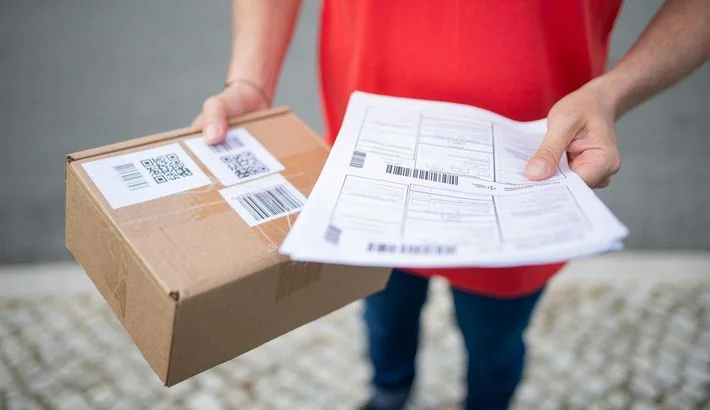
What is a Commercial Invoice and When Do You Need One?


 To share
The world of global trade is accessible to everyone today, whether you're a large entrepreneur or an ordinary shopper waiting for a package from an American online store. However, behind the simplicity of a click in the shopping cart lies a complex logistics mechanism. Every document plays a critical role.
One of the most important elements in this process is the commercial invoice. Without it, many shipments face customs delays, as government agencies require accurate reporting.
What is a commercial invoice? Understanding its role will help you avoid border holdups and unnecessary financial expenses. This form serves as more than just a transaction record. It is an official statement of the nature of the transaction between the sender and recipient.
What is a Commercial Invoice?
In international logistics, this paper is fundamental. It underpins interactions with government agencies. Essentially, it is the primary form used by customs services to classify goods and calculate due duties.
Unlike a standard sales receipt, it contains in-depth details of the transaction, including delivery terms and full details of the parties. During international shipping, the invoice confirms the value of the package's contents. It is the basis for decisions on releasing the cargo or scheduling additional inspections.
Completing all fields correctly ensures that cross-border trade proceeds without any unpleasant surprises for either party. It is important to understand that this paper does not replace the packing list. However, they often complement each other in export documentation.
The invoice records financial obligations and confirms the legal validity of the transported material assets. For government agencies, it is the primary source of information about who is shipping the goods, where they are going, and under what conditions. Many people confuse it with a pro forma invoice because it is only preliminary. For clarity, it is worth highlighting the key functions this document performs in the logistics chain:
- basis for assessing duties;
- confirmation of the actual value of the transaction;
- identification of the country of origin of the goods;
- tool for currency control;
- proof of purchase;
- basis for statistical accounting.
Inspectors carefully review the provided data to ensure there are no violations. Customs authorities may detain the shipment until someone clarifies the issue if they find any discrepancies.
The accuracy of every number and letter is paramount to the speed of delivery. If the data is incorrect, logistics processes slow down, and warehouse storage costs increase. A professional freight forwarder will always remind you of the importance of this stage of document preparation.
The Golden Rule: When Do You Need One?
Here's a practical rule: if a product crosses a border, you need an invoice. The rule covers both commercial shipments and personal purchases made through foreign platforms.
Even if you're simply ordering sneakers or a gadget from the US, customs treats it as an import transaction and requires confirmation. It's important to know the answer to the following question: What is the purpose of a commercial invoice? This will allow you to prepare the necessary documentation for the carrier properly. The primary goal is to provide transparent transaction data for tax and security purposes.
E-commerce fulfillment uses this record as the link between the store and the end consumer. Customers often order expensive items whose value exceeds the duty-free import limits. In such situations, customs clearance becomes impossible without documentary proof of the price.
If this data is missing or contains questionable information, the package risks being held at the border indefinitely. Unnecessary headaches arise for both the carrier and the recipient.
Authorities enforce stricter rules for commercial cargo due to the high value and specific types of goods involved. Therefore, any error can result in a significant fine or even confiscation of property. There are several situations where an invoice is critical:
- selling goods to a foreign buyer;
- returning expensive electronics to the manufacturer;
- sending product samples to partners;
- sending spare parts for repair;
- transporting personal belongings through an intermediary;
- leasing equipment.
It's important to remember that this must be issued for the items themselves, not for related services such as insurance or logistics. It's a mistake to think that a delivery receipt can replace a full trade record.
Law enforcement agencies consider the commercial value of the contents inside the box. Even if you're sending a gift worth a significant amount of money, it still requires appraisal and proper documentation. Ignoring these rules forces authorities to calculate duties and taxes at average, often inflated, rates.
Anatomy of a Commercial Invoice: A Field-by-Field Breakdown
Properly completing a form requires utmost attention to detail. Every line carries legal significance, and cargo details underpin any delivery note, helping identify the parcel among thousands of other shipments.
The top of the paper always includes full details of the parties: who is sending the goods and who is receiving them. Carefully completed shipper/exporter, consignee/importer fields eliminate confusion when delivering to the address. Without this basic information, the supply chain can be interrupted at the very first stage of inspection.
Government agencies must know the origin of every item in the box. The country of origin field indicates the place of manufacture of the goods. Shipment details directly affect tariffs and possible discounts.

You must also include Incoterms (terms of sale) in the document. They define the area of responsibility between the seller and the buyer. These international rules clarify who pays for insurance and who bears the risks during transportation. If this information is missing, an inspector can interpret the terms of the transaction to the detriment of the party.
A crucial element of classification is a special digital code. Officers around the world understand it well. Many newcomers ask, "What is an HS code on a commercial invoice, and why is it so important?"
The fact is that HS code (Harmonized System code) enables unambiguous identification of product categories, whether electronics, clothing, or industrial equipment. The final amount of duties and taxes depends on the accuracy of the budget. An incorrect code counts as an attempt to evade payment or submit false information.
Completing the financial section requires documentary evidence of each declared amount in the transaction currency. The value declaration must correspond to market realities and the data in the accompanying forms. The product specifications must include the following mandatory entries:
- full description of each item;
- exact quantity of units;
- price per unit;
- total cost of the entire batch;
- net and gross weight;
- material of each product.
After filling out all fields, ensure that the information matches the data on the bill of lading (BOL). Any discrepancy in weight or number of packages will raise suspicions from regulatory authorities during inspection.
Accurate records ensure that export control moves more smoothly and with fewer questions. A pro forma is often attached to the invoice. The issue occurs before the final transaction completes. Remember that careful paperwork saves time and money in the future.
Common Mistakes and How to Avoid Them
Even experienced sellers sometimes experience delays at the border. The main mistake is providing vague descriptions, such as "gifts" or "personal belongings." Customs requires clear details, such as the item's material, intended use, and actual price. If the description is vague, the inspector has the right to open the parcel for a thorough physical inspection. Delays occur, and the package or its contents can get damaged.
There's another problem: misrepresenting the value. Authorities often see it as an attempt to lower the tax base. Every declaration is analyzed using a risk analysis system that compares average prices for similar goods. Customs holds shipments. The boxes have very low declared values. They are held until proof of payment is provided.
Sometimes, fines can exceed the parcel’s value. Providing accurate details from the beginning helps avoid unnecessary checks and delays. To minimize risk, senders should follow a proven procedure before the final shipment. Careful verification of all documents before submission is a quality standard in international trade. The following typical risk areas should be noted:
- use of outdated paper forms;
- missing signature of the responsible person;
- illegible font in the description;
- missing postal codes;
- omission of required tax numbers;
- currency mismatch in calculations.
A thorough audit of each page will help prevent a single typo from halting the logistics process.
It is important to remember that the invoice must be in a language understood in the destination country, usually English. If forms are only in the local language, this will almost certainly cause difficulties during import.
A preliminary consultation with an expert will help resolve any disputes before the shipment leaves the warehouse. Preventing errors is always cheaper than correcting them in an emergency.
How Meest Streamlines Your International Shipping
When shipping goods across the ocean, having a reliable partner is crucial to success. Meest acts as a liaison, transforming the complex clearance process into a simple sequence of steps.
This matters most for people ordering electronics or clothes from big US online stores. Specialists are well aware of how often customs requests additional proof of value for expensive purchases. In such cases, a properly prepared delivery note becomes your main argument in dealing with the government.
For commercial customers, working with a professional carrier means the confidence that a flawless set of documents accompanies every shipment. For commercial, a missing or incorrect invoice will result in financial losses.
Your logistics partner verifies all data in advance to avoid delays at the border crossing. This allows the shipper to focus on developing their business without being bogged down in the bureaucratic intricacies of each country. The process ensures inspectors clearly see all product information.
Meest pays special attention to the specific requirements imposed by each declaration in the destination country. The transport company's system integrates modern digital solutions, enabling quick data verification and regulatory compliance.
The use of automated templates minimizes the risk of human error when filling out intricate documentation. Clients benefit from tools that significantly simplify shipment preparation. They have access to:
- automatic generation of basic forms;
- validation of all codes;
- tax consultations;
- border status tracking;
- storage of an archive of old records;
- calculation of estimated customs duties.
It is important to remember that the delivery note must correspond specifically to the items in the box, not the cost of the transportation service itself. If you attach a shipping label to the parcel but forget to include a detailed invoice, the clearance process can drag on for weeks.
Meest helps its clients correctly distinguish between these concepts and promptly provide the necessary information. This transforms even complex international shipping into a predictable and secure process. Careful attention to every detail ensures smooth clearance and on-time delivery.
Conclusion
In short, a commercial invoice acts as a passport for your product in international trade. Modern import, export, or even a simple purchase from a foreign online store is impossible to imagine without it.
Knowing which fields to fill out and what mistakes to avoid will significantly increase your chances of fast delivery. Clear communication with customs authorities through high-quality documents is the key to avoiding unnecessary fines and overpayments. Careful preparation today saves significant resources tomorrow, allowing items to move smoothly around the world.
An experienced intermediary like Meest handles most of the paperwork for the sender. A team of experts is always available to provide guidance on correctly classifying goods and identifying applicable benefits.
With constantly changing trade rules, such support becomes a valuable asset. Remember that every successful delivery is based not only on logistics but also on flawless records. A proper approach to invoicing is the first step to receiving your perfect parcel from anywhere in the world.
To ensure your next shipment goes as smoothly as possible, it's worth reiterating the basic rules of cargo preparation. Always check prices for accuracy and include accurate brand names. Don't throw away your receipts, as they may come in handy.
Carefully check the weight of each item. If you don't meet the limit, you'll have to pay an extra fee. The language of the forms is also important. Use English for all paperwork. Another important point is to make sure all required signatures and document fields are completed correctly.
This detailed analysis clarifies the complexities of international clearance and helps reduce issues during the next shipment. The global market offers enormous opportunities if you know the rules and follow them.
Efficient logistics ensures that parcels arrive on time, turning customs clearance into a simple formality. With the right knowledge and a reliable partner, any borders are no longer a barrier.
To share
Our news

Meest and Self Reliance Financial Federal Credit Union (SRFFCU) Announce New Partnership
Together, we are creating more opportunities for the Ukrainian community in the United States
Important Customs Requirements Update for Shipments to Armenia
We recommend reviewing these requirements before creating your shipment to help avoid possible delays.
What Is a Bill of Lading, and Why Do You Need It?
A bill of lading is one of the central shipping records used in cargo transportation.

What Is a Packing List for Shipping and How to Prepare One?
A clear packing list makes it easier for all parties involved to understand what they are transporting.
What Is Freight Forwarding, and How Does It Work?
The exact setup depends on many factors we’ll cover.
Fulfillment Center vs. Warehouse: What’s the Difference?
The right choice depends on several factors we will discuss in more detail.
How Much Does It Cost to Ship a Car Overseas From the USA?
This process is rarely priced with one flat fee.



 Domestic